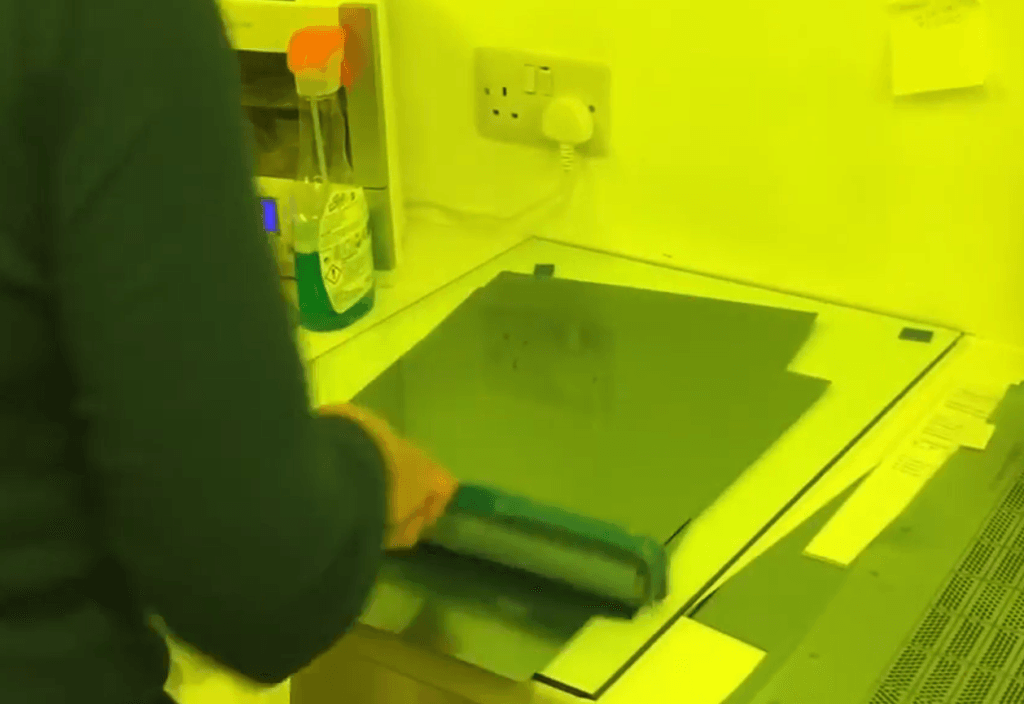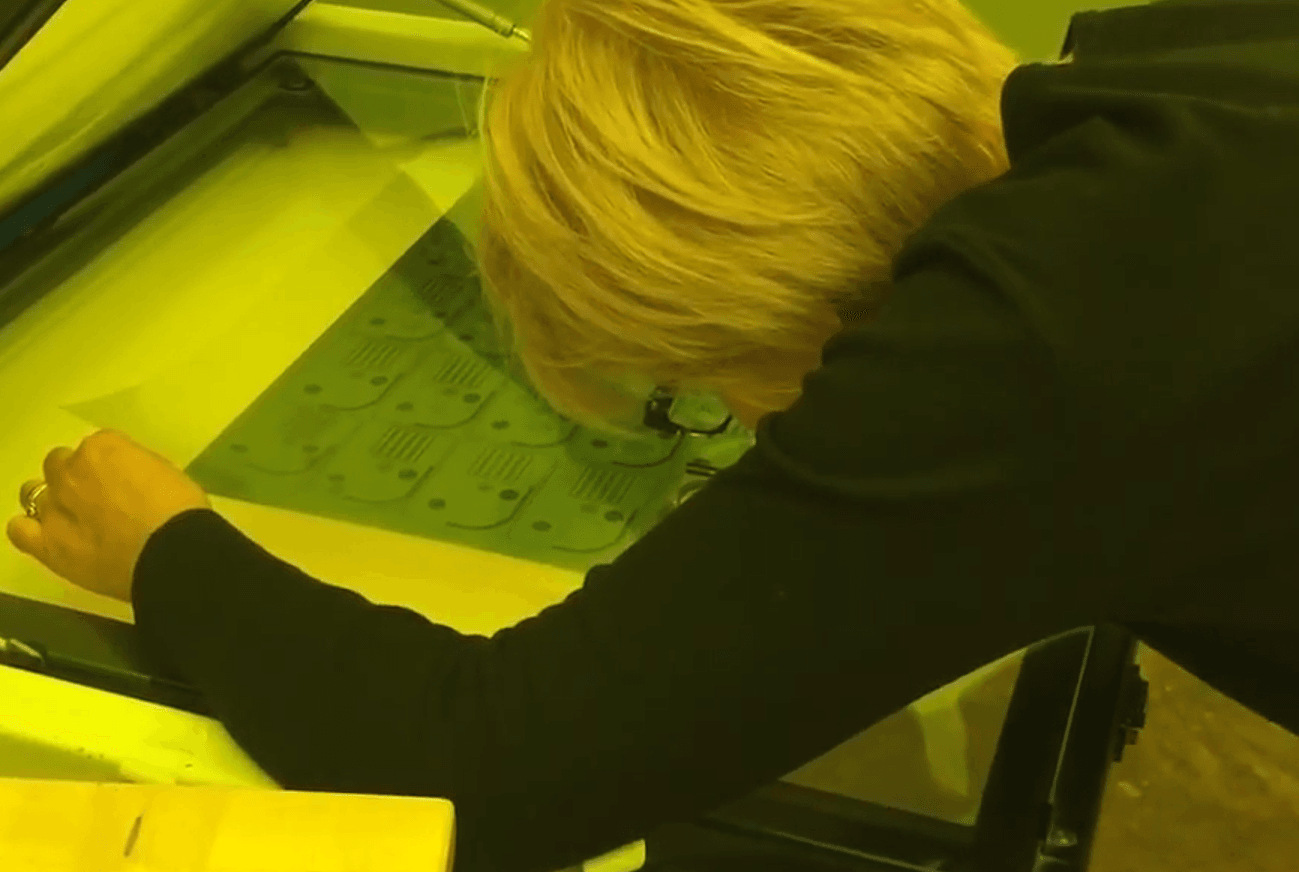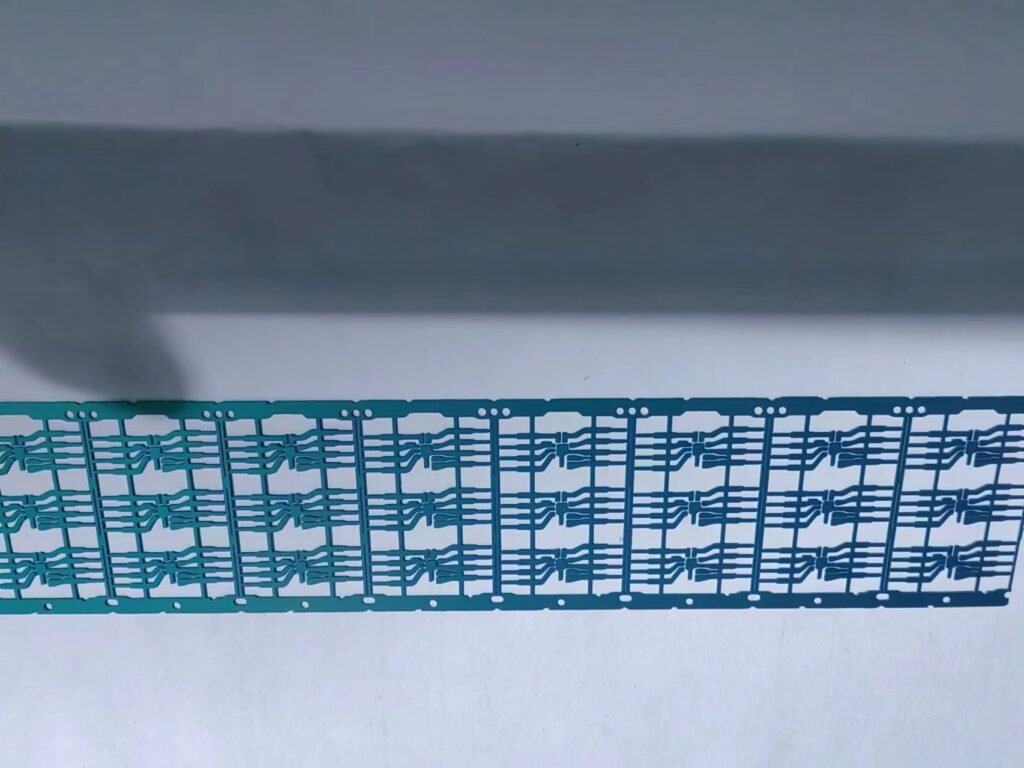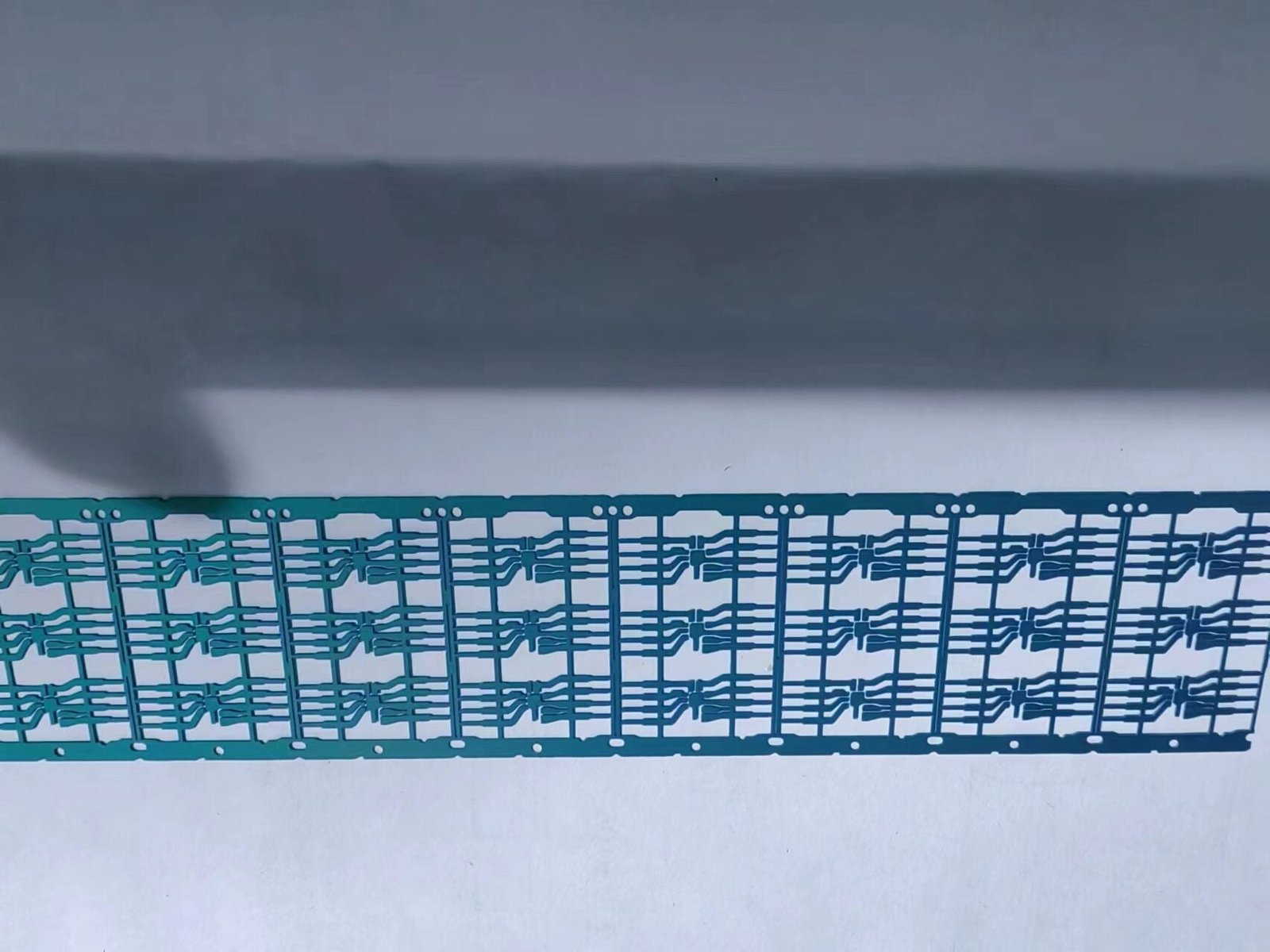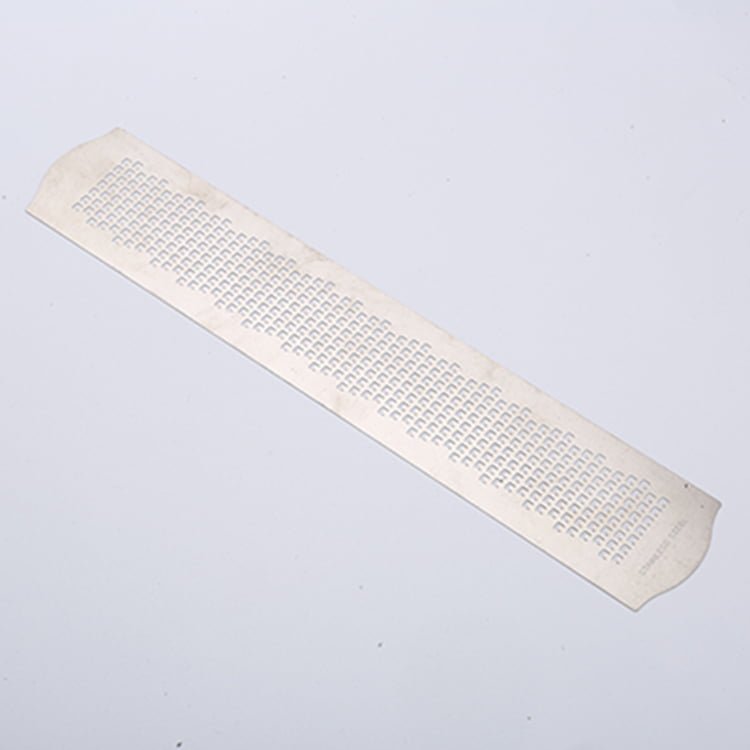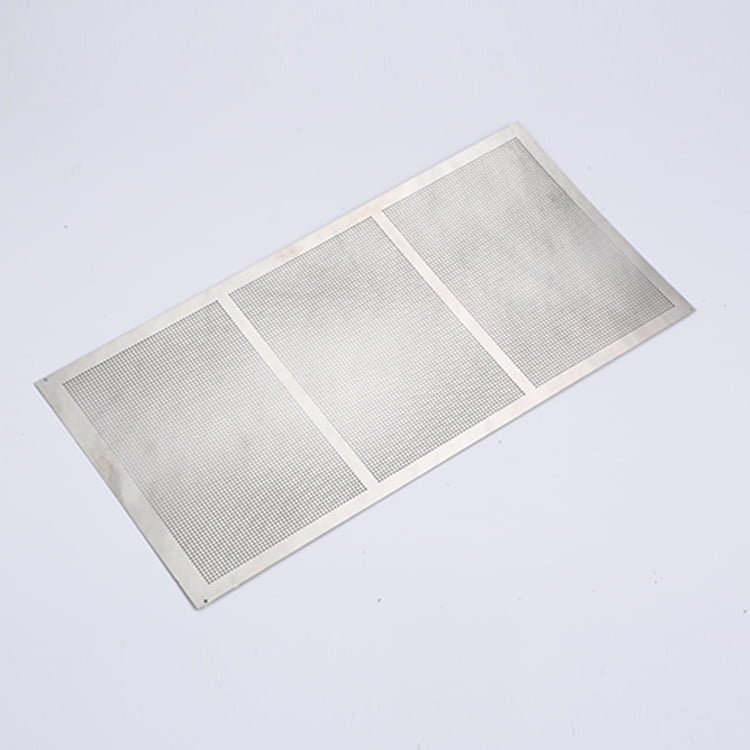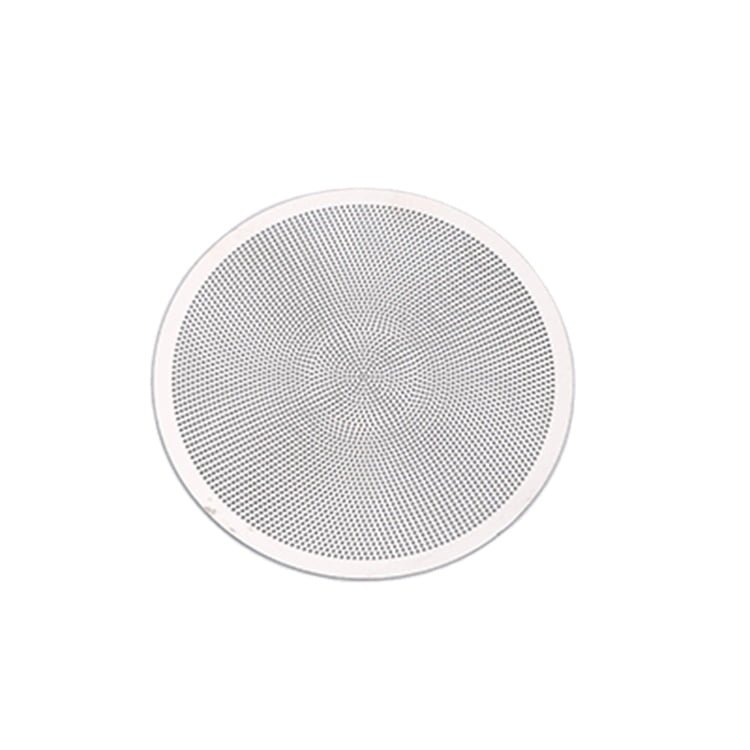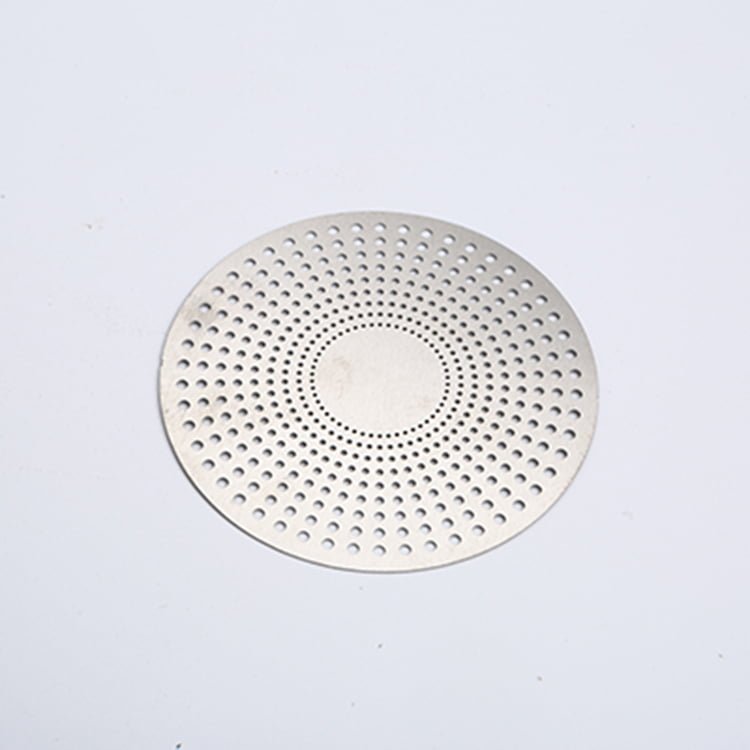
Precision Engineering with Photo Chemical Machining: A Technical Guide for Stainless Steel Fabricators

Photo Chemical Machining represents a cutting-edge approach in the fabrication of stainless steel components, offering unparalleled precision and flexibility. By understanding the electrochemical processes, mastering etchant selection, and employing advanced troubleshooting techniques, technical experts can push the boundaries of what’s possible in stainless steel manufacturing.

Electrochemical Principles of PCM for Stainless Steel

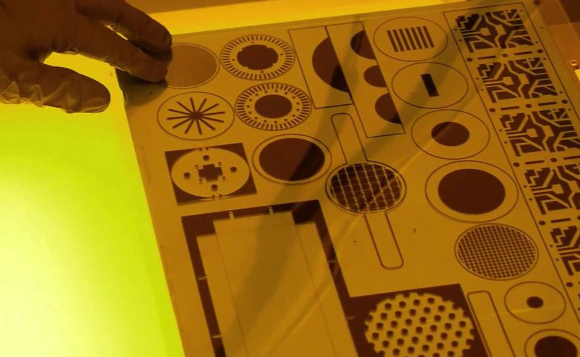
At its core, PCM leverages controlled electrochemical reactions to precisely remove unwanted metal from stainless steel surfaces. This process involves the use of specialized maskants that protect designated areas, ensuring that only the exposed regions are etched away.

Key elements include:

  • Maskant Selection: The maskant must be compatible with both the substrate and the chosen etchant, ensuring a tight bond under aggressive chemical conditions.
  • Etchant Chemistry: Common agents such as ferric chloride and nitric acid are used, where each offers distinct benefits in terms of reaction rate and surface finish.
  • Micron-Level Tolerance Control: Achieving micron-level precision demands rigorous monitoring of the etching time, temperature, and chemical concentration.

For additional insight on electrochemical machining techniques, industry experts at Automation World offer a wealth of resources on related manufacturing processes.


Case Study: Optimizing Etch Rates for 316L Stainless Steel in Medical Device Components

A prime example of PCM’s efficacy is its application in the fabrication of medical device components using 316L stainless steel. Manufacturers have optimized etch rates by carefully balancing etchant concentration and exposure times, resulting in components with exceptional tolerances required for medical applications.

This case study not only emphasizes the importance of process control but also illustrates how small adjustments in chemical formulation can significantly reduce common issues such as over-etching and undercut defects. Detailed analyses, including Scanning Electron Microscope (SEM) micrographs, have enabled engineers to fine-tune process parameters and enhance yield.

Leading industry voices, such as those featured on Advanced Manufacturing, underline the transformative potential of PCM in ensuring high-quality, reliable components in the medical field.


Troubleshooting Common Defects with SEM Micrograph Analysis

Despite its precision, PCM is not without challenges. Undercut and over-etching are common defects encountered during the process.

Troubleshooting strategies include:

  • SEM Analysis: Utilizing SEM micrograph analysis can help identify the onset of undercutting, allowing for early interventions.
  • Process Optimization: Adjusting the concentration of etchants and modulating temperature profiles are effective methods to mitigate defects.
  • Regular Calibration: Continuous monitoring and calibration of equipment ensure that the process remains within set parameters, thereby reducing defect rates.

By integrating regular SEM inspections into the workflow, fabricators can maintain consistent quality and enhance the overall reliability of PCM processes.


Comparison Table: PCM vs. Laser Cutting for Thin-Gauge Stainless Steel

When it comes to thin-gauge stainless steel (0.1–2.0 mm), choosing between PCM and laser cutting hinges on several critical factors. The table below summarizes the primary differences:

AspectPhoto Chemical Machining (PCM)Laser Cutting
PrecisionMicron-level tolerance control achievableHigh, but can be less consistent for ultra-thin gauges
Heat-Affected Zone (HAZ)No significant HAZ, ideal for sensitive applicationsOften produces a noticeable HAZ
Material StressMinimal stress introduced to the workpieceCan induce thermal stress, potentially affecting integrity
Complex GeometryExcellent for intricate designs due to the maskant techniqueWell-suited, but may require additional finishing
Process ComplexityRequires strict chemical and process control proceduresMore straightforward but less flexible for micro-details
Cost EfficiencyOften lower for high-volume, precision applicationsEconomical for rapid prototyping and large panels

Table: Detailed comparison highlighting the strengths and limitations of PCM versus laser cutting for thin-gauge stainless steel.

This comparative analysis allows manufacturers to select the appropriate cutting method based on their specific application requirements and quality control demands.


Advanced Techniques: Hybrid Processes for EMI Shielding Grids

In recent years, hybrid processes that combine PCM with micro-stamping have emerged, particularly for the production of EMI shielding grids. This integrated approach leverages the chemical precision of PCM with the forming efficiency of micro-stamping, delivering parts with superior performance characteristics.

Key advantages of these hybrid techniques include:

  • Enhanced Material Properties: By combining processes, fabricators can produce parts with improved electrical and mechanical performance.
  • Optimized Production Rates: Hybrid processes reduce cycle times while maintaining high quality, contributing to overall cost savings.
  • Customizable Solutions: Tailored process parameters allow for the production of components that meet the unique demands of different electronic applications.

For further case studies and insights into advanced hybrid manufacturing methods, Industry Today provides comprehensive resources and expert commentary.
Nano-Level Etching for Next-Gen Lead Frames

Why Nano-Level Etching is a Game Changer

As electronic devices shrink in size while increasing in complexity, lead frame technology must evolve. The demand for ultra-precise, high-performance lead frames is pushing traditional etching methods to their limits. Nano-level etching, with its ability to achieve sub-micron accuracy (<1μm), is now at the forefront of next-generation semiconductor packaging.

This article explores the latest advancements in etching techniques, materials, and Industry 4.0-driven innovations that are redefining lead frame manufacturing.


Pushing the Limits of Precision

1. Laser-Assisted Etching: Enhancing Accuracy Beyond Traditional Methods

Traditional photochemical etching offers high precision, but combining laser-assisted techniques can further reduce overlay errors to <1μm.

Etching MethodAccuracyKey Advantages
Conventional Chemical Etching±5μmCost-effective, scalable
Photo-Chemical Etching with Multi-Layer Alignment±2μmHigh resolution, suitable for fine-pitch designs
Laser-Assisted Chemical Etching<1μmExtreme precision, minimizes undercutting

🔹 Case Study: Companies like Mitsubishi Electric have pioneered hybrid laser-assisted etching for ultra-fine interconnects, enhancing signal integrity in high-speed electronics (source).

2. Multi-Layer Alignment: Tackling Complex Lead Frame Structures

Multi-layered lead frames, crucial for 3D packaging and high-frequency RF applications, require perfect alignment to prevent signal loss or electrical interference.
Solution: New optical alignment systems now ensure multi-layer etching errors stay below 1μm, a 10x improvement over traditional methods.


The Rise of Ultra-Thin Clad Metals

With the rise of 5G, IoT, and automotive radar, lead frames need to handle higher frequencies and harsher environments. This has led to the adoption of ultra-thin clad metals, combining the best properties of multiple materials.

MaterialCompositionApplication
Cu/Fe/Ni CompositeCopper core for conductivity, iron for rigidity, nickel for corrosion resistance5G base stations, radar modules
BeCu AlloyBeryllium copper for high elasticity and fatigue resistanceWearables, medical sensors
Mo-Cu AlloyMolybdenum for thermal management, copper for conductivityHigh-power semiconductors, EV battery systems

🔹 According to a recent study by Atotech, the use of Cu/Ni multilayered lead frames has led to 30% better thermal stability in automotive electronics (source).


FEM for Stress Distribution Analysis

As lead frames become thinner and more intricate, mechanical stress during etching and stamping must be carefully managed.

Finite Element Method (FEM) simulations help predict stress concentration points, minimizing deformation.
Hybrid manufacturing models (etching + micro-stamping) are now optimized using AI-driven FEM software, allowing manufacturers to reduce failure rates by up to 25%.

📌 Example: Engineers at Infineon Technologies use FEM-driven etching simulations to optimize high-reliability lead frames for automotive ICs (source).


Smart Etching Tanks for Real-Time Monitoring

With Industry 4.0, etching processes are becoming smarter and more efficient.

IoT-Enabled Etching Tanks: Key Innovations

Real-time pH & ion concentration sensors – Ensure consistent etching quality.
Automated chemical replenishment – Reduces waste and improves process control.
AI-driven defect detection – Uses machine learning to spot inconsistencies before they cause defects.

🔹 Case Study: Texas Instruments has implemented IoT-enabled chemical etching in their lead frame production, resulting in 15% lower defect rates and 20% higher yield (source).


Anti-Corrosion Nanostructured Surfaces

A recent patent, US20230174521A1, details nanostructured coatings designed to improve the corrosion resistance of etched metal surfaces.

Why it matters: Lead frames are exposed to harsh environments (moisture, oxidation, heat).
Solution: Nano-coatings significantly improve durability, reducing corrosion-related failures by over 50%.

🔹 Patent Reference: US20230174521A1 – Anti-Corrosion Nanostructured Surfaces.


The Future of Nano-Level Etching in Lead Frames

The move toward nano-precision etching is breaking technological barriers, enabling smaller, faster, and more reliable lead frames for the next generation of electronics.

Laser-assisted techniques & multi-layer alignment improve precision to sub-micron levels.
Advanced clad metals enhance thermal & electrical performance for 5G and automotive applications.
Smart, AI-driven etching systems drive efficiency and reduce defects.
Patented nanostructured coatings ensure longer-lasting, corrosion-resistant lead frames.

🚀 With these innovations, the future of lead frame manufacturing is heading toward unparalleled precision and efficiency—powering the next wave of cutting-edge electronics.

High-Precision Lead Frames: A Non-Techie’s Guide to Smarter Electronics

What’s a Lead Frame?

Imagine the tiny skeleton that holds everything together inside your electronic devices. That’s a lead frame—a crucial component that connects the microchip inside your smartphone, smartwatch, or even your car’s ECU (Engine Control Unit) to the outside world.

A simple analogy? Think of it like the metal wiring inside your house—it directs electricity to different rooms just as a lead frame routes signals to different parts of a microchip. Without it, electronics wouldn’t function!


The Difference Between a Reliable Device and a Costly Failure

For most of us, a lead frame is invisible, but the precision in its design can make or break an electronic device. Here’s why:

FeatureWhy It’s ImportantExample
Accuracy (±0.005mm)Ensures no misalignment in circuits, preventing short circuits or failures.EV batteries rely on precise lead frames to avoid overheating.
Thinness (<0.2mm)Enables compact and lightweight designs.Ultra-thin laptops and foldable phones depend on them.
Burr-Free EdgesPrevents damage to sensitive microchips.Medical implants require smooth lead frames to ensure safety.

🔹 Key takeaway: The more precise the lead frame, the better the performance and reliability of the electronic device.

Etching for High-Performance EV Batteries

According to Tech-Etch, etched lead frames are widely used in electric vehicle (EV) battery modules to ensure stable electrical connections without short circuits. Their process helps reduce power loss and improve energy efficiency in modern EVs (source).


How Lead Frames Enable Next-Gen Devices

From smart wearables to life-saving medical implants, high-precision lead frames push technology forward.

Smartwatches & Wearables

🔹 Problem: Early smartwatches were bulky and had poor battery life.
🔹 Solution: Ultra-thin lead frames (0.1mm) allow for sleeker, lightweight designs.
🔹 Result: Today’s smartwatches, like the Apple Watch and Samsung Galaxy Watch, are thinner and more power-efficient thanks to these innovations.

Medical Implants (Pacemakers & Hearing Aids)

🔹 Problem: Medical devices require extreme reliability—even a tiny flaw in the circuit can be life-threatening.
🔹 Solution: Etched lead frames ensure high accuracy, preventing malfunctions.
🔹 Result: Companies like Medtronic and Cochlear use precision-etched components for safer, long-lasting implants.

📌 Reference: A study from Atotech highlights how etching enhances microelectronics reliability, crucial for medical applications (source).


Etching vs. Stamping – The Eco-Friendly Choice

Did you know that how lead frames are made can impact the environment?

ProcessMaterial UtilizationWaste Production
Stamping~60% usage (40% wasted material)High (requires secondary processing)
Etching~90% usage (minimal waste)Low (less scrap, more efficient recycling)

🔹 Why it matters: By switching from stamping to etching, manufacturers can reduce material waste by up to 30%, making electronics production more sustainable.

🌍 Future Outlook: AI-Driven Etching & Eco-Friendly Lead Frames
The future of lead frame manufacturing is evolving with:

1️⃣ AI-driven etching machines – Improving precision while reducing chemical usage.
2️⃣ Biodegradable lead frame materials – Researchers are exploring eco-friendly alternatives to traditional metals.

🔹 According to SEMI, the semiconductor industry is shifting towards sustainable manufacturing practices, including greener etching processes (source).


Why This Matters for Everyday Electronics

High-precision etched lead frames are the unsung heroes behind modern devices, making them:

Thinner & more efficient (for wearables, smartphones, and laptops)
Safer & more reliable (for EVs and medical implants)
More sustainable (reducing material waste)

So next time you hold a sleek smartwatch or drive an EV, remember—it’s not just about what’s inside the device, but how it’s made that truly shapes our technology! 🚀

Cost-Effective Lead Frame Solutions: Etching vs. Stamping

Why Choosing the Right Process Matters

For product managers and procurement teams, selecting the right manufacturing method for lead frames is crucial for balancing cost, quality, and scalability. Two widely used processes—chemical etching and stamping—offer different benefits. Etching excels in precision and flexibility, while stamping is suited for high-volume production.

This article provides a cost comparison, design flexibility analysis, and real-world ROI case study to help decision-makers choose the most cost-effective lead frame manufacturing solution.


Tooling and Per-Unit Production Costs

One of the key differences between chemical etching and stamping lies in their cost structures.

Cost FactorChemical EtchingStamping
Tooling ExpensesLow (Photoresist masks can be quickly modified)High (Custom stamping dies cost thousands of dollars)
Initial Setup CostMinimalSignificant investment
Per-Unit Cost (Low Volume)Lower (No expensive tooling required)Higher (Tooling cost needs to be amortized)
Per-Unit Cost (Mass Production)Higher (Etching speed is slower than stamping)Lower (Stamping can produce thousands per hour)

🔹 Key Takeaway: Etching is cost-effective for prototyping and low-to-medium production volumes, while stamping becomes more economical at very high volumes.


Faster Prototyping and Complex Patterns

In industries like automotive, telecommunications, and medical devices, rapid innovation demands fast turnaround times for lead frame prototyping.

FactorChemical EtchingStamping
Lead Time~2 weeks~8 weeks (for die fabrication)
Design ChangesEasy & low-cost (modify mask)Expensive & slow (requires new die)
Feature Precision±0.005mm±0.02mm
Burr-Free EdgesYesNo (requires post-processing)

🔹 Key Takeaway: Etching is ideal for lead frames with fine-pitch features (<0.2mm) and quick design iterations. Stamping is better for high-volume, standardized designs.

Industry Example: Semiconductor Prototyping

According to a study by Tech-Etch, etching enables IC designers to test new lead frame designs in weeks rather than months, accelerating time-to-market (source).


Reducing Scrap Rates by 18% in Automotive IC Packaging

A global automotive electronics supplier faced high defect rates using stamped lead frames for their engine control unit (ECU) IC packages.

Challenges:

🔻 Burrs from stamping caused poor solderability.
🔻 Die modifications were expensive and time-consuming.
🔻 Scrap rate exceeded 5%, increasing costs.

Solution:

By switching to chemical etching, the company:
Eliminated burr formation, improving solder joint reliability.
Achieved ±0.005mm precision, enhancing circuit performance.
Reduced scrap rates by 18%, saving thousands in material costs.

📌 Reference: A similar case study from Atotech highlighted how etching reduces lead frame defects, improving overall yield (source).


Ensuring Quality & Cost Efficiency

When choosing a lead frame supplier, procurement teams should evaluate the following:

  1. Certifications & Quality Standards
    • Ensure compliance with IATF 16949 (automotive) and ISO 9001 (general manufacturing).
  2. Etching Process Sustainability
    • Recycling etchant baths reduces waste and improves cost efficiency.
    • Vendors using regenerative FeCl₃ etching systems minimize chemical consumption.
  3. DFM (Design for Manufacturability) Support
    • Look for vendors offering pre-production simulations to optimize etching parameters.
    • Consultation services can help avoid costly redesigns.

Tip: Top-tier suppliers like Xinxin Precision offer DFM optimization and sustainability-focused etching for cost-efficient production.


Miniaturization Driving Demand for <0.2mm Lead Frames

With the rise of 5G, wearables, and IoT devices, lead frames are becoming thinner and more complex.

🔹 Key Trends Shaping the Market:
Fine-Pitch Designs – <50μm traces for high-density IC packaging.
Ultra-Thin Lead Frames0.1mm thick or less, reducing package size.
New Materials – Adoption of copper-clad laminates (CCL) and hybrid alloys for better performance.

📌 According to research from SEMI, the demand for high-precision lead frames will grow 12% annually, driven by miniaturization in 5G and automotive electronics (source).


Choosing the Right Solution for Your Needs

Both etching and stamping offer unique advantages depending on cost, production volume, and design complexity.

🔹 When to Choose Etching:
Prototyping and small batches (low tooling costs, fast lead time).
Complex, fine-pitch designs (<0.2mm traces).
Reducing scrap rates and improving plating adhesion.

🔹 When to Choose Stamping:
High-volume production (millions of units per month).
Thicker lead frames where burrs can be managed with post-processing.
Standardized designs with minimal modifications.

For cost-conscious procurement teams, etching offers greater flexibility, lower scrap rates, and easier design iterations, making it a superior choice for next-generation lead frame manufacturing. 🚀

How High-Precision Etching Transforms Lead Frame Manufacturing

Introduction: The Evolution of Lead Frame Manufacturing

In the semiconductor industry, lead frames serve as the backbone of integrated circuits (ICs), ensuring reliable electrical connections between chips and external circuits. Traditional manufacturing methods like stamping and CNC machining have been widely used, but high-precision chemical etching has revolutionized the process.

🔹 Etching vs. Stamping: A Precision Comparison

MethodTolerance (mm)Material StressEdge QualityProduction Flexibility
Stamping±0.02HighBurrs presentLimited
Chemical Etching±0.005LowBurr-freeHigh

As seen in the table, chemical etching offers superior precision, better edge quality, and reduced material stress—making it an ideal choice for intricate lead frame designs.


Process Optimization: Key Steps in Photochemical Etching

High-precision photochemical etching consists of multiple controlled steps to achieve micron-level accuracy:

  1. Masking & Photoresist Application – A light-sensitive resist is applied to the metal sheet.
  2. Exposure & Development – UV light transfers circuit patterns onto the resist.
  3. Etching – Chemical agents dissolve unprotected metal areas, forming precise features.
  4. Stripping & Cleaning – Residual resist is removed, leaving the final etched structure.

Optimized Etching Parameters for Lead Frames

ParameterRecommended Value
Temperature45-55°C
Etchant TypeFerric chloride (FeCl₃)
Etching Time2-5 minutes
AgitationModerate flow

Fine-tuning temperature, etchant concentration, and exposure time ensures consistent feature dimensions and high-quality results.


Material Science: Choosing the Right Copper Alloys

Lead frames require materials with high electrical conductivity, thermal stability, and etching compatibility. Below are two commonly used copper alloys:

AlloyConductivity (% IACS)Strength (MPa)Etching Suitability
C19470-85500-600Excellent
C702560-75600-700Good

🔹 C194 Copper Alloy: Well-suited for high-volume production due to its excellent etching response.
🔹 C7025 Copper Alloy: Offers higher strength but requires careful etching parameter adjustments to avoid excessive undercutting.


Case Study: High-Precision Etching for Ultra-Fine Lead Frames

A leading semiconductor packaging company faced challenges in manufacturing a 0.1mm-thick lead frame with 50μm pitch traces. Using stamping resulted in burr formation and low plating adhesion.

Solution: By switching to high-precision chemical etching, the company achieved:
Burr-free edges, improving electrical contact reliability.
±0.005mm accuracy, ensuring micron-level circuit alignment.
Optimized plating adhesion, reducing IC bonding failures.

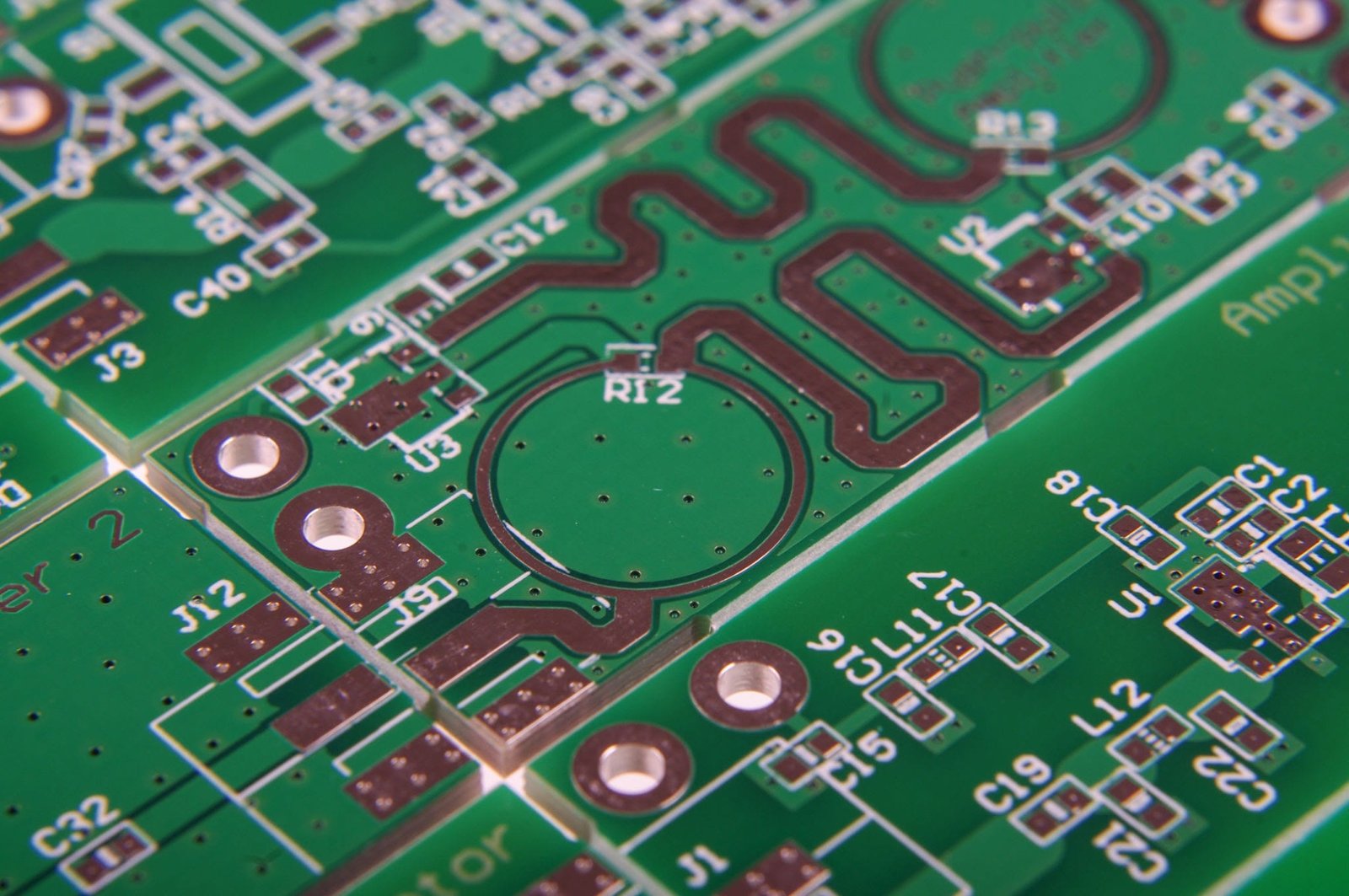
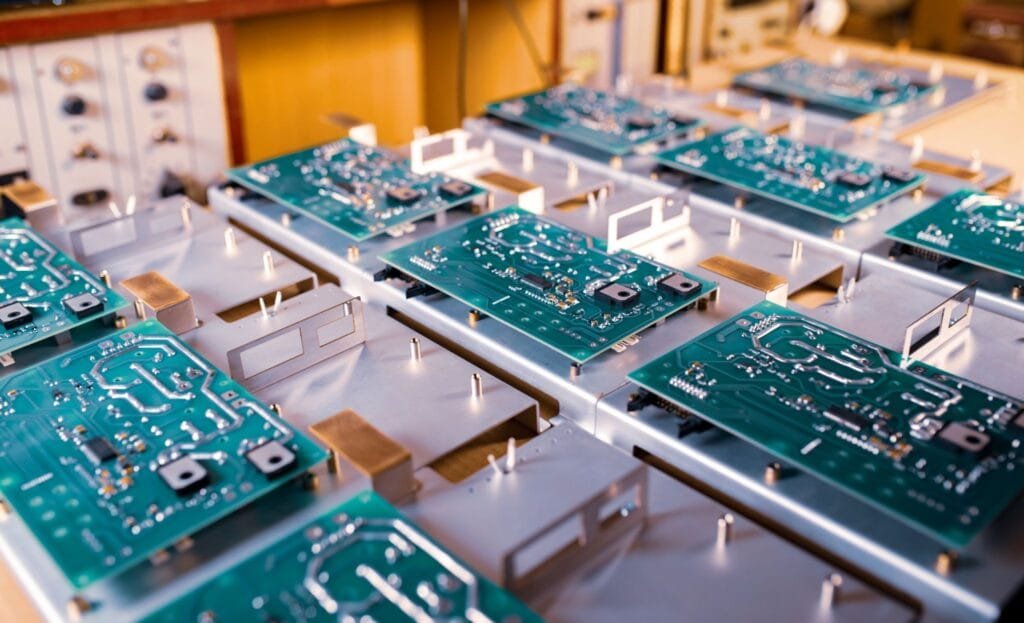
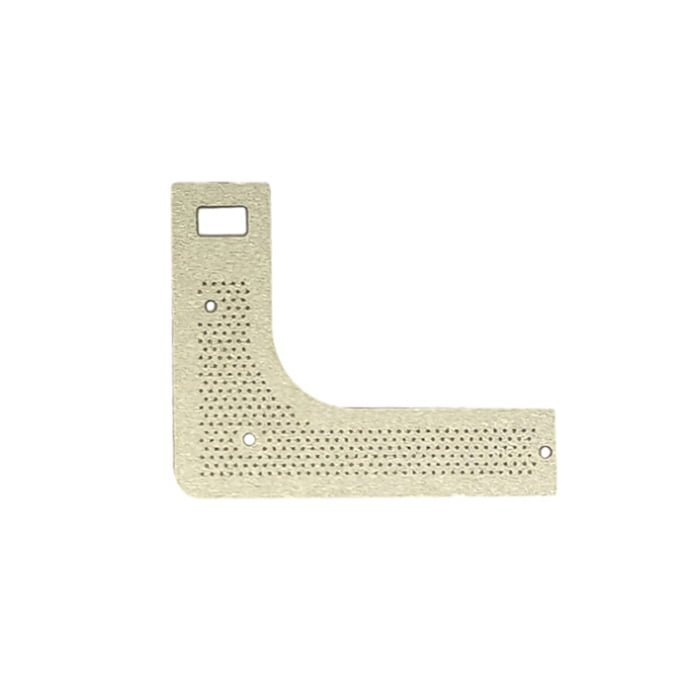
PCB Board abstract background

📌 Example Reference: Industry leader Atotech highlights similar etching advancements in their lead frame manufacturing solutions (source).


QA Metrics: Ensuring Lead Frame Quality

To maintain high-performance lead frames, stringent quality assurance (QA) metrics are essential.

MetricStandard ValueImpact on Performance
Surface Roughness (Ra)<0.8μmPrevents micro-cracks
Edge BurrsNoneEnsures clean bonding
Plating AdhesionStrongImproves IC reliability

By implementing chemical etching with tight QA controls, semiconductor manufacturers can boost product reliability and reduce defects.


Conclusion: The Future of Lead Frame Etching

With increasing demand for miniaturized electronics, chemical etching is becoming the go-to solution for high-precision lead frames. Compared to stamping, it offers better accuracy, no material stress, and enhanced plating adhesion—critical for next-generation IC packaging.

🔹 Key Takeaways:
Etching provides ±0.005mm precision, far superior to traditional methods.
Optimized process control ensures consistent results and high yield.
Choosing the right copper alloy affects etching efficiency and circuit performance.
Industry adoption is growing, with leading companies investing in advanced etching technologies.

For manufacturers looking to enhance their lead frame production, investing in precision etching is a game-changer. 🚀

Wet Chemical Etching Stainless Steel

An animation to explain what stainless steel chemical etching process is

Stainless steel is a versatile and durable material widely used in various industries due to its corrosion resistance and high-strength properties. Achieving precision machining in stainless steel requires careful consideration of the material’s characteristics and the appropriate etching, surface treatment, and electroforming techniques.

Stainless Steel Chemical Etching Animation

[custom_pricing]

How to Etching Stainless Steel?

View or download our Photochemical Metal Etching White Paper How-to Guide

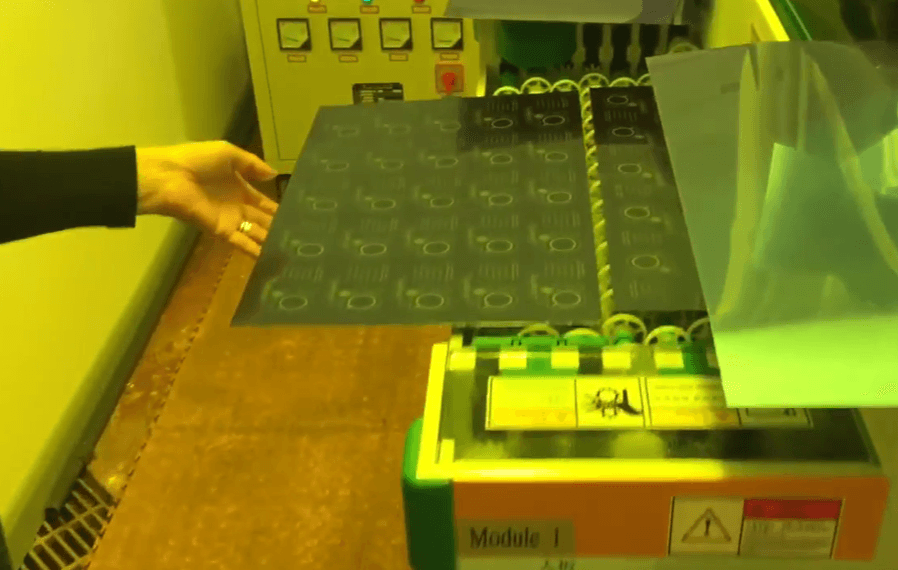
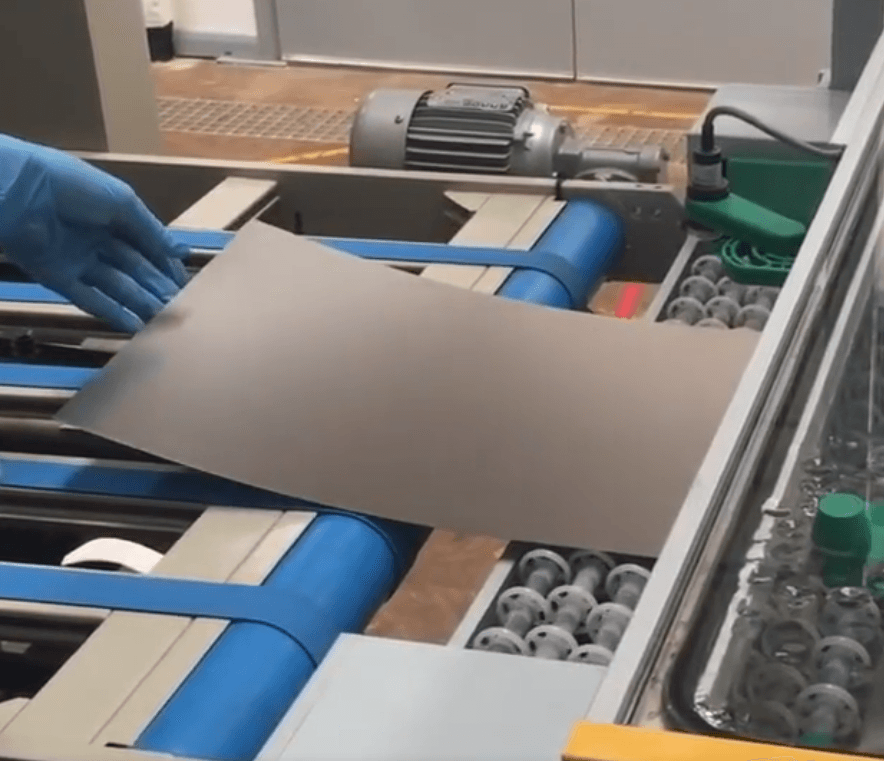
Photo Wet Chemical Etching Process
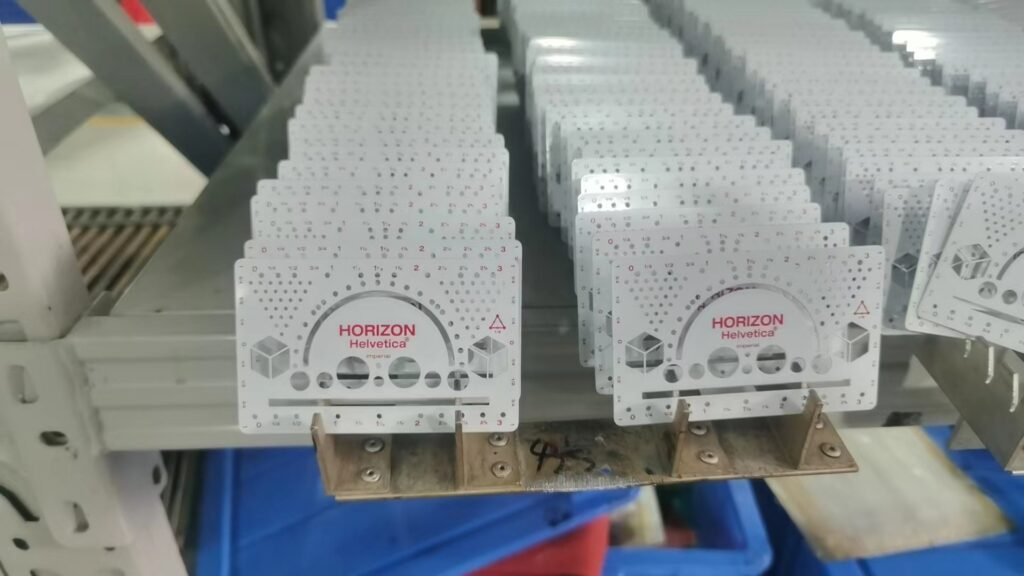
Wet Stainless Steel Etching Production workshop

Stainless Steel Types:

Stainless steel is available in several types and alloys, each with its unique properties and applications. Understanding the distinctions is essential before proceeding with any precision machining technique. The most common stainless steel types include:

  1. Austenitic Stainless Steel: Advantages: Offers excellent corrosion resistance and is easy to form and weld. Disadvantages: Lower hardness and limited high-temperature performance.
  2. Ferritic Stainless Steel: Advantages: Provides good corrosion resistance and exhibits magnetic properties. Disadvantages: Lower toughness and limited weldability.
  3. Martensitic Stainless Steel: Advantages: Known for high strength, hardness, and wear resistance. Disadvantages: Exhibits lower corrosion resistance and may pose challenges during welding.
  4. Duplex Stainless Steel: Advantages: Offers an excellent combination of strength and corrosion resistance. Disadvantages: Can be more challenging to process and weld due to its dual-phase microstructure.

Metal Etching Stainless Steel:

Metal etching is a precise process used to selectively remove material from the surface of stainless steel to create intricate patterns, text, or designs. The choice of etchant is crucial, as different stainless steel types require specific chemical etchants for optimal results. Some recommended etchants and their advantages for stainless steel metal etching are:

  1. Ferric Chloride: Advantages: Suitable for austenitic and ferritic stainless steels, providing controlled and uniform etching results. Allows for intricate designs with moderate processing difficulty.
  2. Nitric Acid: Advantages: Effective on austenitic stainless steels, offering precise etching control and allowing for detailed patterns and textures.
  3. Hydrochloric Acid: Advantages: Works well on martensitic stainless steels, providing controlled etching and the potential to achieve specific surface designs.

Stainless Steel etching equipment

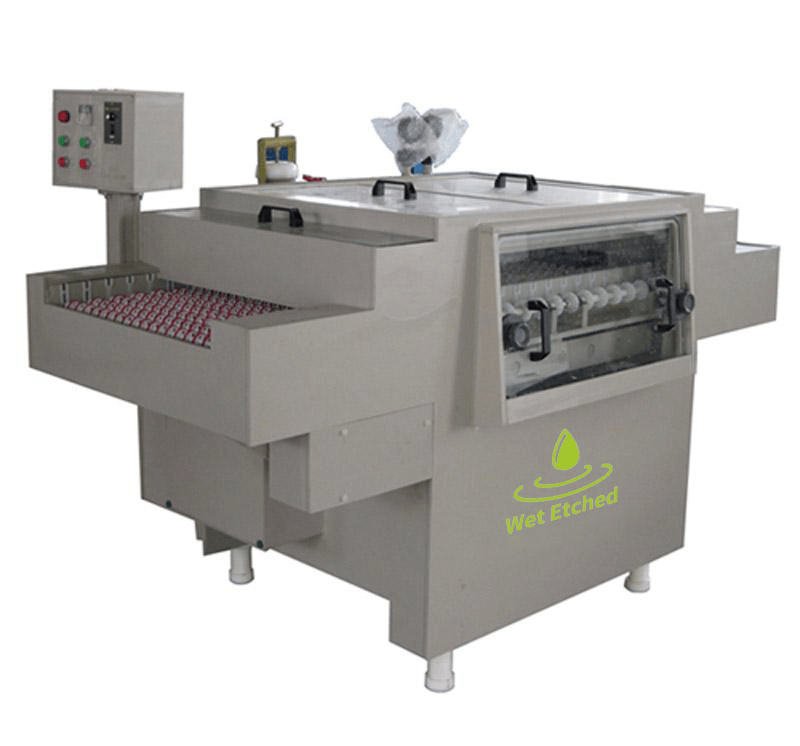
Wet Chemical S650 Stainless Steel Etching Machine

Wet Processing Equipment – Stainless Steel etching machine

The Stainless Steel etching machine is used to spray chemical solution to a copper-clad laminator, aluminum substrate, or stainless steel plate, the exposed copper, aluminum, and stainless steel are etched away, retaining the pattern or circuit covered by the corrosion-proof film, so as to achieve the purpose of making pattern or circuit.

This etching machine is an all-in-one small Stainless Steel etching machine that is easy to install and can be used immediately after powering on.

Photo Etching Stainless Steel:

Photo etching is a precise process used for intricate designs on stainless steel. The choice of material film and temperature control are essential:

  1. Material Film: Photomasks made of high-quality polymer films with excellent UV resistance are recommended for precise and detailed etching.
  2. Temperature Control: Maintain a stable and controlled temperature during the photoresist exposure and development process to ensure accurate pattern transfer.

By understanding the different types of stainless steel and selecting the appropriate etchants, surface treatments, and electroforming techniques, precision machining in stainless steel can be achieved effectively. Metal cleaning and photo etching further enhance the precision and quality of the final products. Following the recommended precautions throughout each process will ensure exceptional results and maintain the integrity of the material. With these insights, manufacturers can confidently produce high-quality stainless steel products tailored to specific applications.

how to etch Stainless Steel?

Etching Stainless Steel Process Guidelines

Stainless Steel EtchingEtchantEtching Temperature (°C)Etching Concentration (%)Estimated Etch Depth (microns)Etching Quality
Etching Stainless SteelFerric ChlorideRoom temperature30% FeCl35-25High-quality (smooth)
Etching Austenitic Stainless SteelNitric AcidRoom temperature10-15% HNO310-40High-quality (smooth)
Etching Ferritic Stainless SteelHydrochloric AcidRoom temperature10-15% HCl10-40High-quality (smooth)
Etching Martensitic Stainless SteelFerric ChlorideRoom temperature30% FeCl35-25High-quality (smooth)
Etching Duplex Stainless SteelNitric AcidRoom temperature10-15% HNO310-40High-quality (smooth)
Etching Precipitation-Hardening Stainless SteelHydrochloric AcidRoom temperature10-15% HCl10-40High-quality (smooth)
Etching Stainless Steel Process Guidelines

The values provided are approximate and can vary depending on specific etching conditions, including exposure time and the condition of the stainless steel surface. Always conduct test etches and adjust parameters as needed to achieve your desired results. Additionally, safety precautions should be followed when handling these chemicals.

If you have metal wet etching Stainless Steel needs, please feel free to contact us.

    FAQs

    [FAQS]

    Etching Stainless Steel Samples

    Chemical Etching Nameplates: Durability and Precision for Industrial and Professional Use

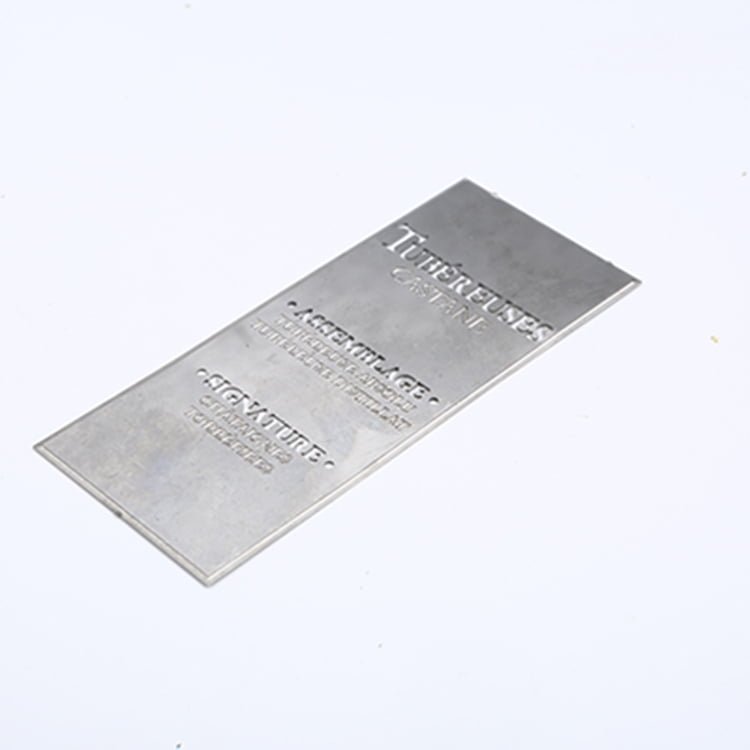
    Chemical etching is a highly effective and precise method for creating custom nameplates. It involves using acidic solutions to etch intricate patterns, logos, and text onto various metals, such as stainless steel, aluminum, and brass. This technique not only delivers high-quality results but also provides long-lasting durability for industrial and professional applications. Whether you need machinery ID tags, product branding, or memorial plaques, chemical etching is an ideal solution that ensures your nameplates remain legible and pristine for years to come.


    Why Choose Chemical Etching for Nameplates?

    Durability and Corrosion Resistance

    One of the primary reasons for choosing chemical etching for metal nameplates is its durability. Nameplates etched using this method are highly resistant to corrosion, wear, and environmental exposure. This makes them perfect for applications in industrial environments, where the plates are subjected to harsh conditions such as moisture, chemicals, and high temperatures. Whether it’s for machinery identification or outdoor signage, chemical etching ensures that your nameplates will last.

    Precision and Detail

    Chemical etching provides exceptional precision and is ideal for producing detailed designs. It allows for fine text, complex logos, and intricate graphics to be reproduced on the metal surface with sharp, crisp results. Unlike traditional engraving, chemical etching can create micro-level details and even multi-layered designs on metal without compromising the integrity of the material.


    Process of Chemical Etching

    The process of chemical etching involves several steps that result in the precise creation of nameplates:

    1. Design Preparation: The design for the nameplate, whether it’s text, logos, or symbols, is prepared in CAD software. The design is then transferred onto a photoresist mask or a photo-etchable film.
    2. Masking the Metal: The photoresist material is applied to the metal surface, effectively protecting the areas that should remain unetched. The areas to be etched are exposed by UV light, creating a precise image of the design on the metal.
    3. Chemical Etching: The metal is then submerged in an etchant solution, typically a mix of ferric chloride for stainless steel or other acids, which gradually eats away the exposed areas, leaving the etched design behind. The etching process is monitored to ensure the proper depth and precision.
    4. Finishing: After etching, the resist material is removed, and the nameplate is cleaned and finished with a protective coating or polished finish to enhance its appearance and provide additional protection.

    Applications of Chemical Etched Nameplates

    Machinery Identification Tags

    In industrial settings, nameplates are used to identify and label machinery, equipment, and tools. Chemical etching ensures that these identification tags remain readable over time, even in environments that are exposed to harsh chemicals, extreme temperatures, and physical wear.

    • Example: Nameplates for heavy-duty machinery in manufacturing plants, where the identification needs to be clear and long-lasting.
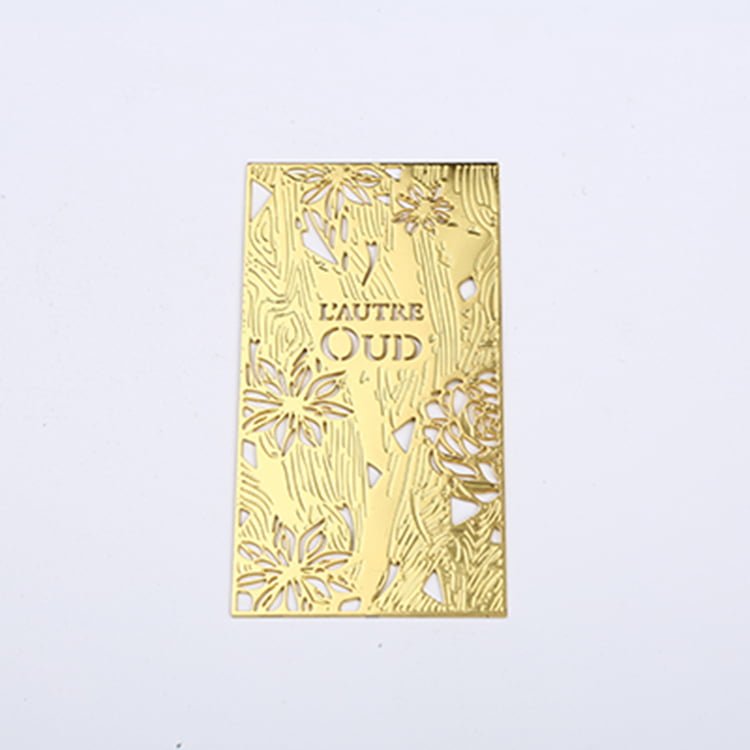
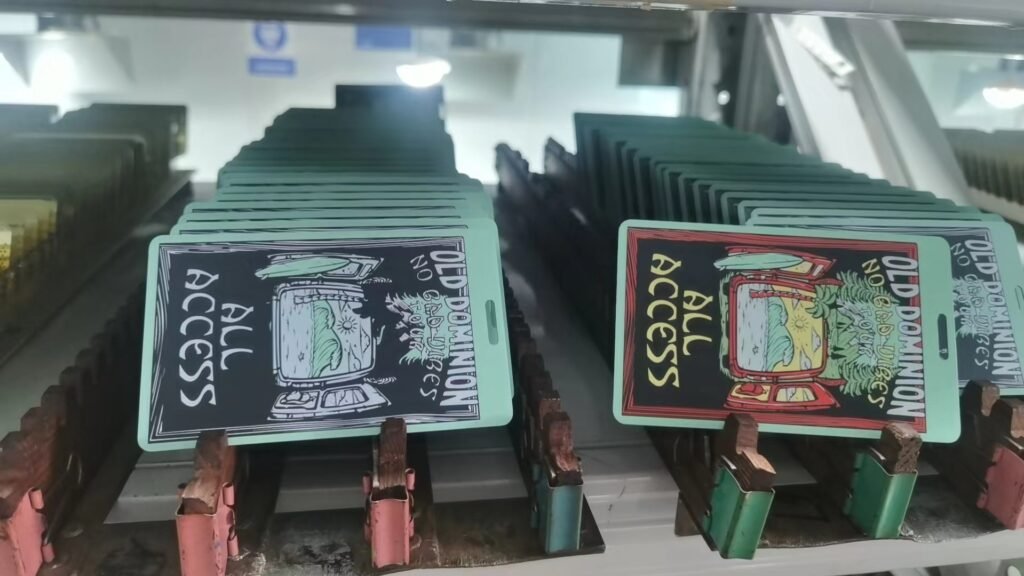
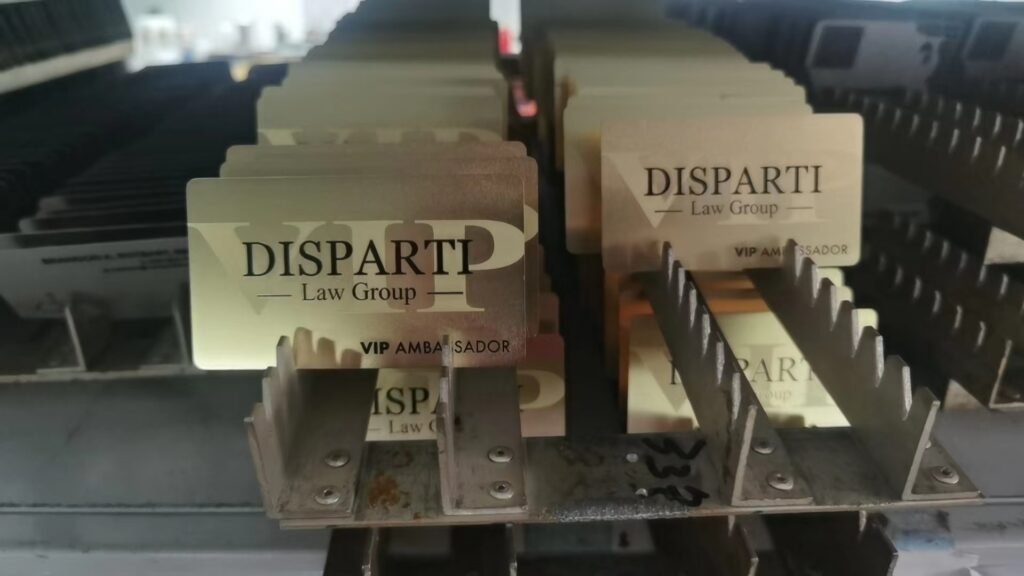
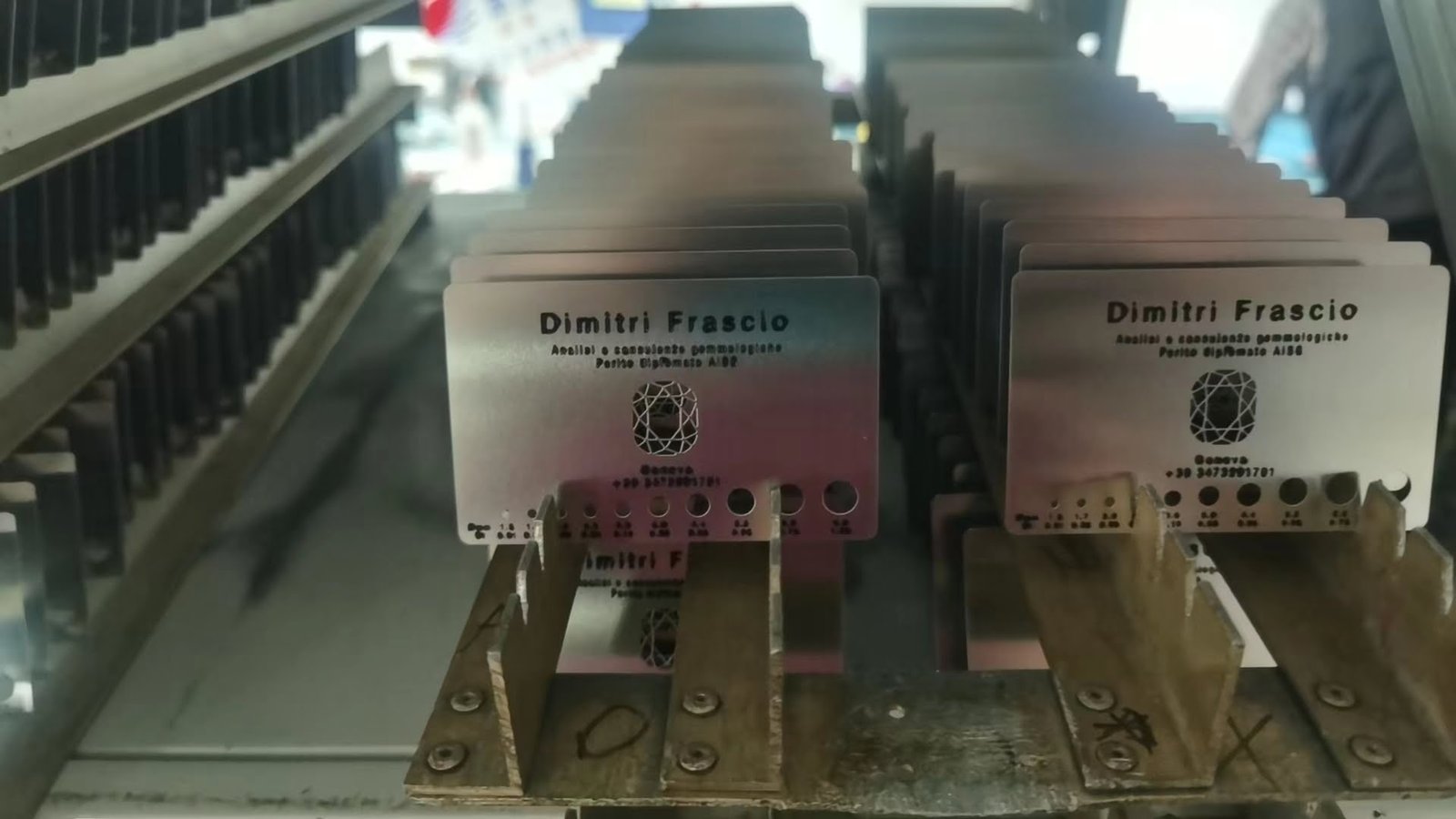
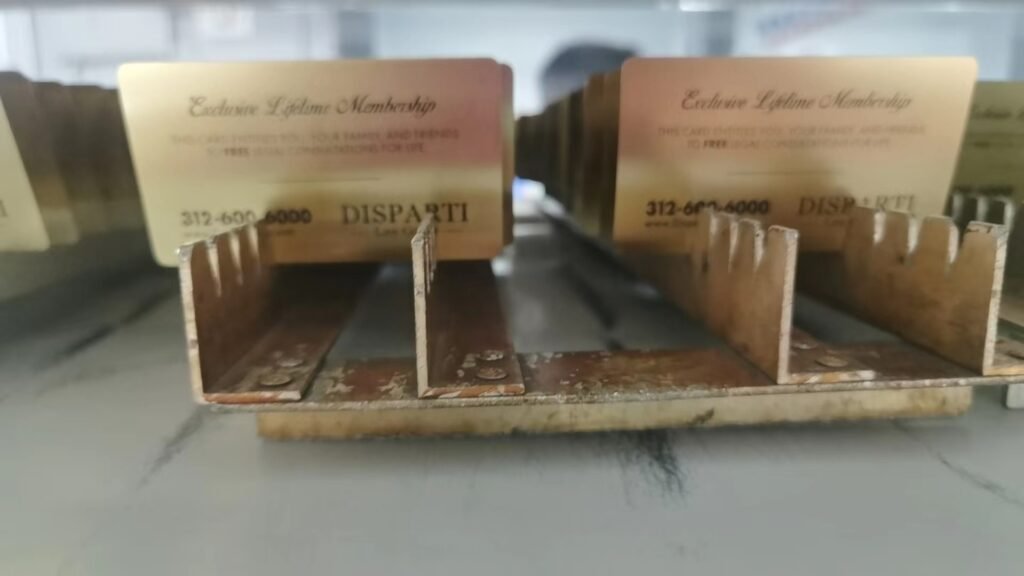
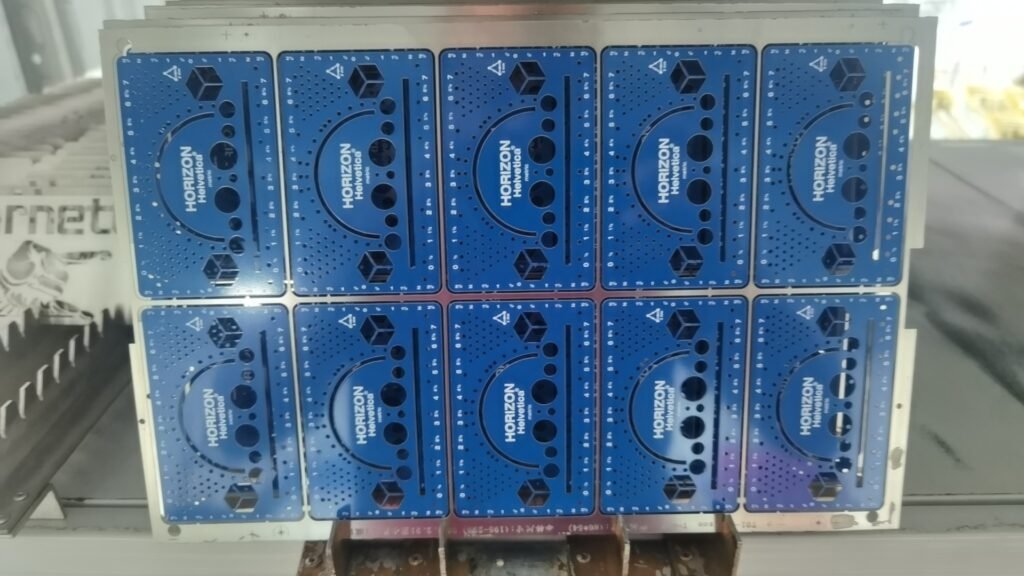
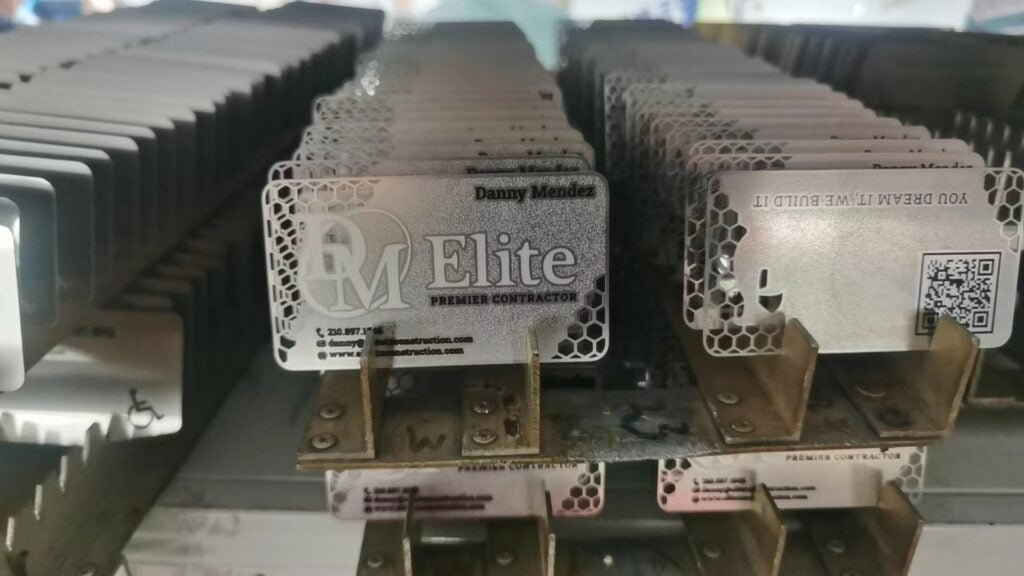
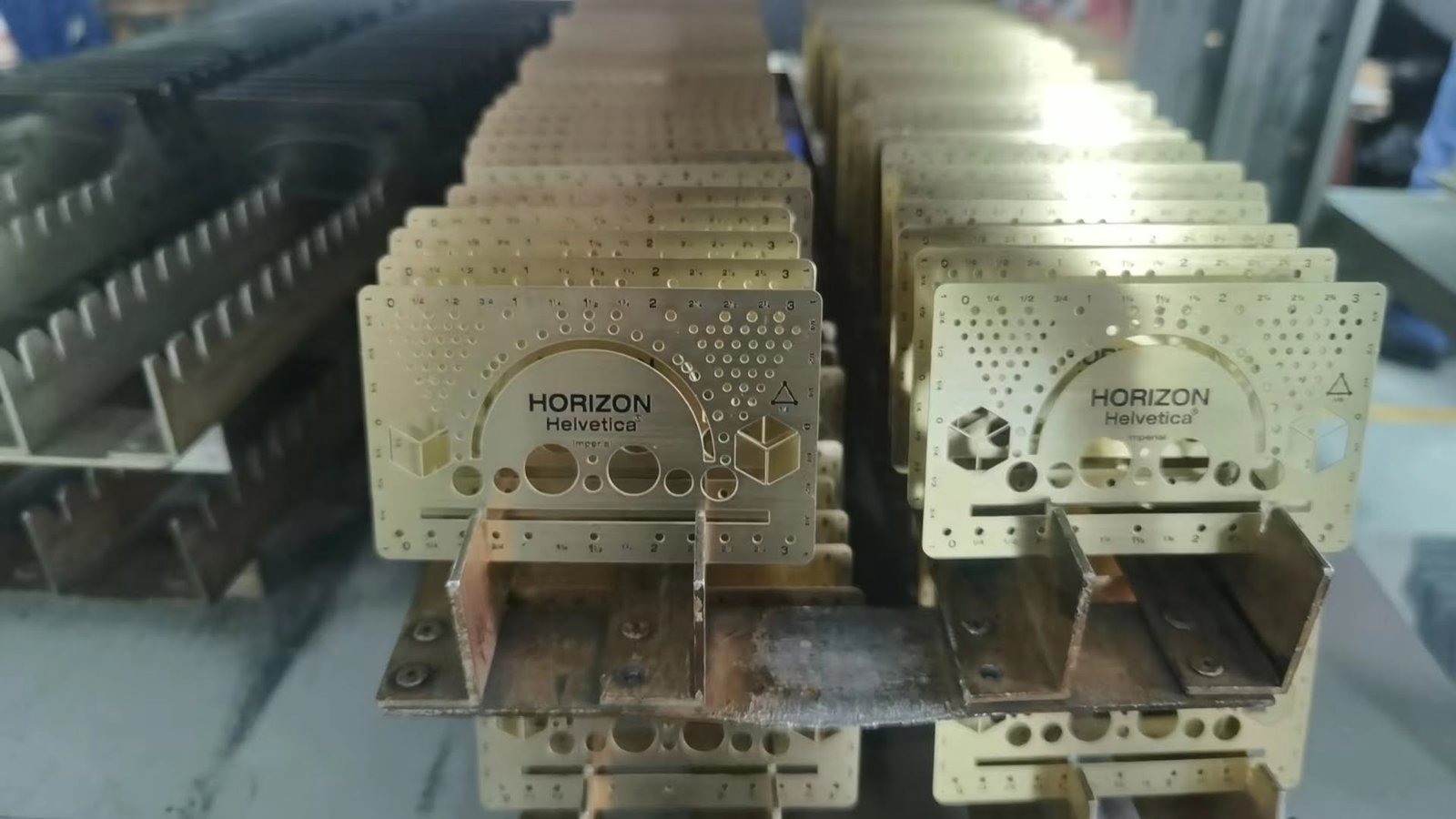
    stainless steel business card

    Product Branding and Customization

    For businesses, chemical etching provides a way to create customized branding for products. Whether it’s for high-end electronics, luxury products, or industrial equipment, etched nameplates add a professional touch that showcases your brand’s quality.

    • Example: Corporate logos on high-end tools or luxury electronics, where the precision of the etching reflects the quality of the product.

    Memorial Plaques

    Chemical etching is also an excellent choice for memorial plaques and commemorative signage, where detailed text and symbols need to remain intact for many years. The durability of the etched design ensures that memorials withstand the test of time and environmental conditions.

    • Example: Cremation memorial plaques and memorial markers in cemeteries, where the etched text needs to endure exposure to the elements.

    Advantages of Chemical Etching

    High-Precision Details

    Chemical etching allows for the production of highly detailed text, logos, and graphics without the limitations of other engraving methods. The acid-based etching creates precise, crisp lines that remain visible for a long time.

    stainless steel business card

    Cost-Effective for Small and Large Runs

    Whether you need small batch runs for custom plaques or large orders for industrial machinery tags, chemical etching is cost-effective. The process allows for efficient production, even in small quantities, making it ideal for businesses that require custom nameplates for different projects.

    Variety of Materials

    Chemical etching works on a variety of metals, such as stainless steel, brass, and aluminum, offering versatility for different applications. These materials can be chosen based on factors such as strength, corrosion resistance, and aesthetic appeal.


    Customization and Personalization Options

    With chemical etching, you can fully customize the nameplates to meet specific needs:

    • Text Customization: Add company names, slogans, or contact information to industrial tags or personal plaques.
    • Logo Design: Reproduce detailed logos and graphics with high accuracy, including corporate logos or symbols.
    • Color Options: Add color fills to etched areas using epoxy or paint for additional visual appeal.
    • Multiple Sizes and Shapes: Nameplates can be made in various sizes and shapes to suit different requirements, from small tags to large signs.

    Why Choose WET Products for Chemical Etching Nameplates?

    WET Products offers direct manufacturing and specializes in the production of custom chemical-etched nameplates. They provide competitive pricing, bulk discounts, and the flexibility to meet small minimum order quantities (MOQs). Their in-house expertise ensures that the final product meets the highest standards of precision and durability.

    • Direct Manufacturing: No middlemen, ensuring lower costs and quicker lead times.
    • Bulk Discounts: Ideal for large projects with volume needs.
    • Customization: From unique designs to custom shapes, WET Products can accommodate your specific needs.

    Laser vs. Rotary Engraving: Choosing the Right Method for Metal Business Cards

    When it comes to creating luxury metal business cards, the method of engraving can significantly affect both the aesthetic appeal and durability of the final product. Two popular engraving methods are laser etching and rotary engraving, each offering distinct advantages for creating stainless steel business cards. In this article, we’ll compare these two methods, discuss customization options, and explore how to pair your metal business cards with other materials for a tiered client offering.


    Laser Etching: Precision Black-Text Markings

    Laser etching is a precision method that uses a laser beam to etch away the metal surface, creating clean, fine lines that are ideal for high-resolution black-text designs on metal. This technique is perfect for those looking for sharp, crisp details with a professional, sleek finish.

    stainless steel business card

    Key Benefits of Laser Etching:

    • Precision: Laser etching produces incredibly fine details, making it perfect for small text, intricate logos, and detailed graphics. This is especially important for business cards with small fonts or complex designs.
    • Black-Text Contrast: The etched surface turns dark, providing high contrast for easy readability while maintaining a polished, modern look.
    • Non-Invasive: Laser etching only removes a small amount of material, meaning the overall thickness and durability of the card remain intact.

    Best Suited For:

    • Minimalist designs or fine details in black text, such as logos, contact information, and branding.
    • Cards that require precision, such as corporate cards or high-end professionals who prefer a sleek, understated style.

    Durability:

    • Stainless Steel Blanks (0.050″ thick) are durable enough to withstand daily wear and tear while still maintaining their professional appearance. The laser etching process doesn’t compromise the structural integrity of the metal, ensuring the business card remains long-lasting.

    Rotary Engraving: Deep Grooves with Epoxy Fills

    Rotary engraving uses a rotating cutting tool to carve deeper grooves into the metal surface. This method produces 3D textures, which are ideal for creating more tactile designs with bold, deep grooves.

    Key Benefits of Rotary Engraving:

    • Deep Grooves: Rotary engraving offers deep etching, which can make the design more tactile, giving the business card a physical texture that can be felt when touched.
    • Color Fills: After engraving, you can fill the grooves with epoxy or other colorants, such as Pantone-matched colors, to create a vibrant, multi-color effect that adds a unique visual appeal.
    • Highly Customizable: Ideal for cards that feature logos with large color-filled areas or intricate borders that benefit from deep grooves.

    Best Suited For:

    • Luxury business cards with bold logos or emblems that require deeper etching and a multi-dimensional look.
    • Businesses looking to add personalized color fills to the grooves, which works well for luxury branding or high-end client cards.

    Durability:

    • Similar to laser etching, rotary engraving on 0.050″ thick stainless steel blanks ensures that the cards are durable and resistant to damage from daily handling. The deep grooves filled with epoxy enhance both the aesthetic and the longevity of the card.

    Customization for Graphics Companies: Small MOQs and Flexibility

    Graphics companies that require small minimum order quantities (MOQs) for custom-designed metal business cards can benefit from both laser etching and rotary engraving, depending on the nature of the design and the desired finish. Whether you’re working with corporate clients or personalized gift cards, both engraving methods allow for high-quality customization.

    stainless steel business card
    • Laser etching is particularly advantageous when you need precise details and are working with smaller runs, as it allows for cost-effective production even in smaller quantities.
    • Rotary engraving, with the option to fill grooves with color, is ideal for premium offerings where large quantities may not be necessary, especially if you’re aiming for a luxury, textured appearance.

    Both methods are highly adaptable, offering flexibility in the types of designs that can be reproduced on metal business cards.


    Pairing with Lacquered Brass or Anodized Aluminum for Tiered Client Offerings

    For businesses looking to offer a tiered range of business cards to cater to different client levels, pairing stainless steel with materials like lacquered brass or anodized aluminum can create a sophisticated and varied selection.

    Lacquered Brass:

    • Appearance: Brass offers a golden, metallic finish that projects elegance and prestige.
    • Customization: Paired with rotary engraving for deep grooves or laser etching for fine text, lacquered brass is perfect for VIP clients or those wanting a more traditional, luxurious feel.

    Anodized Aluminum:

    • Durability and Finish: Anodized aluminum is both lightweight and durable, with the added benefit of being available in a variety of colors. The anodization process creates a hard, non-reactive surface, making it highly resistant to scratching and fading.
    • Customization: When paired with laser etching or rotary engraving, anodized aluminum can produce vibrant colors in designs, especially when used with digital full-color printing offered by companies like WET Products.

    Both materials can be incorporated into a tiered client offering, where stainless steel cards serve as the baseline, with lacquered brass or anodized aluminum offered as premium options.


    WET Products’ Digital Full-Color Printing for Aluminum Alternatives

    For those seeking an alternative to traditional engraving, WET Products offers digital full-color printing on anodized aluminum cards. This technology allows for high-quality, vibrant color reproduction, perfect for businesses that want to feature complex, multi-colored logos or detailed graphics.

    stainless steel business card

    Benefits of Digital Full-Color Printing:

    • High-Resolution Graphics: Print highly detailed and vibrant designs directly onto anodized aluminum.
    • Versatility: Ideal for cards that need to feature photographs, detailed artwork, or logos with gradients and multiple colors.
    • Cost-Effective for Small Runs: Digital printing is efficient for producing smaller batches without sacrificing quality.

    Custom Stainless Steel Nameplates: Durability Meets Professional Branding

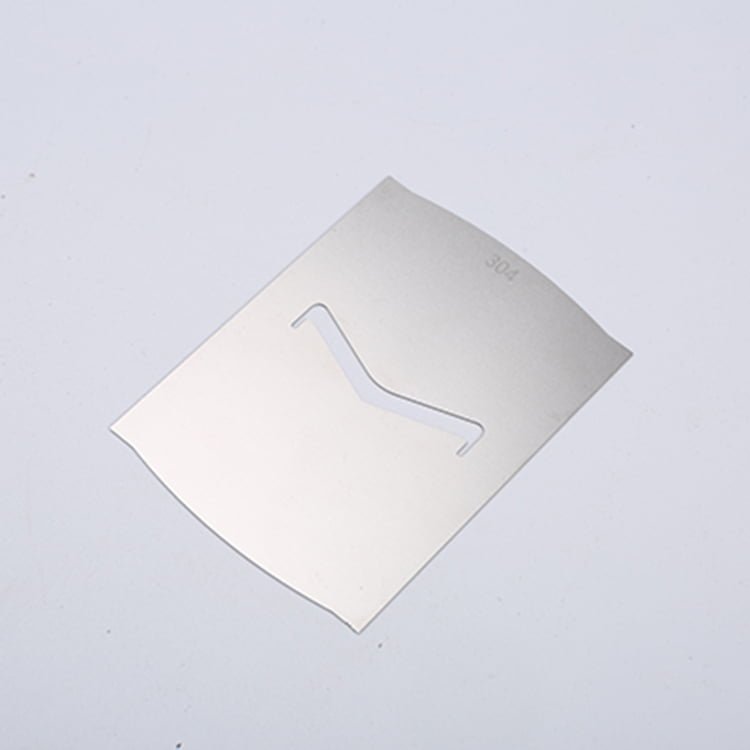
    Custom stainless steel nameplates are a robust and stylish choice for a wide variety of applications, from machinery identification to memorial plaques and luxury product branding. By choosing Type 304 stainless steel, adding tumbled finishes, and opting for laser-etched or rotary-engraved graphics, you can ensure that your nameplates not only stand the test of time but also make a lasting impression.


    Why Choose Type 304 Stainless Steel?

    Type 304 stainless steel is a popular choice for manufacturing nameplates due to its combination of strength, corrosion resistance, and appealing aesthetic. It is resistant to rust, oxidation, and many other environmental factors, making it perfect for both indoor and outdoor use. This material is especially advantageous in harsh environments, where nameplates need to withstand the elements without compromising on appearance.

    Key Benefits of Type 304 Stainless Steel:

    • Corrosion Resistance: Perfect for use in industrial or memorial settings exposed to moisture or chemicals.
    • Strength and Durability: Withstands physical wear and tear, ensuring long-lasting identification and branding.
    • Refined Aesthetics: The metal naturally provides a polished, professional look suitable for high-end applications.

    Tumbled Finishes for a Refined Look

    To enhance the aesthetic appeal of your nameplates, a tumbled finish is a popular choice. This process involves polishing the stainless steel, giving the surface a smooth, matte finish that not only adds refinement but also reduces the appearance of minor scratches or imperfections.

    The tumbled finish is particularly useful in settings where the nameplates will undergo frequent handling, as it provides a more rugged yet professional look. Additionally, the finish allows the engraved text or graphics to stand out clearly, even after years of use.


    Laser-Etched Graphics That Resist Fading

    One of the most significant advantages of stainless steel nameplates is their ability to maintain legibility and design integrity over time. Laser-etching is a popular technique used for engraving graphics on stainless steel. Unlike printing or coloring, laser etching creates permanent marks that are resistant to fading, even in harsh conditions.

    stainless steel business card
    • Durability: The etched graphics are highly resistant to abrasion, chemicals, and weathering, making them ideal for industrial environments.
    • Precision: Laser etching allows for fine details and sharp text, making it an excellent choice for branding and identification.

    Applications for Laser-Etched Graphics:

    • Machine ID Tags: Ensure long-lasting identification of machinery and equipment.
    • Cremation Memorials: Engrave meaningful messages that will remain intact for years.
    • Branding: Create corporate logos and names on high-end products that stand out.

    Rotary Engraving with Color Fills

    For a more personalized touch, rotary engraving offers an alternative to laser etching, particularly when you want to incorporate color fills into your designs. This method uses a rotating cutting tool to engrave the surface and then fills the design with Pantone-matched colors, allowing for rich, vibrant hues that will not fade or wash away.

    Common Use Cases:

    • Corporate Logos: Engraving a logo in specific Pantone shades adds a professional touch to your branding, ensuring consistency with your company’s visual identity.
    • Memorial Plates: Adding color to a memorial plate can make it more personalized, often highlighting names, dates, or messages with meaningful hues.

    Benefits of Rotary Engraving:

    • High Precision: Achieve micron-level accuracy, ideal for logos and fine details.
    • Customization: Easily incorporate multiple colors for a more vibrant and unique appearance.

    WET Products: Direct Manufacturing and Bulk Discounts

    WET Products stands out as a leading manufacturer of stainless steel nameplates. With direct manufacturing capabilities, they offer substantial bulk discounts, making them an ideal partner for companies and engraving shops that need large quantities of blank plates for custom engraving.

    stainless steel business card

    By sourcing directly from WET Products, you can ensure consistent quality and receive quick turnarounds, ensuring that your nameplates are produced to your specifications and delivered on time.

    Why Choose WET Products:

    • Direct Manufacturing: No middlemen means lower costs and better quality control.
    • Bulk Discounts: Save more when purchasing large quantities of blank stainless steel nameplates.
    • Compatibility with Engraving Shops: Ideal for businesses that need custom blanks ready for engraving.

    Use Cases for Custom Stainless Steel Nameplates

    1. Machinery ID Tags

    Stainless steel nameplates are an excellent choice for identifying machinery and equipment in industrial settings. Their durability ensures they won’t fade or degrade over time, even in harsh environments like factories or construction sites.

    • Example: Heavy machinery in manufacturing plants or warehouses with easily readable, long-lasting identification tags.

    2. Cremation Memorials

    Custom stainless steel nameplates are often used for memorial plates at cremation sites or for memorializing loved ones. These nameplates can be laser-etched with names, dates, and meaningful messages, preserving their integrity for many years.

    • Example: Personalized memorial plaques in cemeteries or cremation gardens, offering lasting tributes.

    3. High-End Product Branding

    For products requiring a premium look, such as luxury goods or high-end equipment, stainless steel nameplates serve as a sophisticated branding tool. Laser-etched corporate logos and product information can enhance the perceived value of your product.

    • Example: Custom nameplates for luxury cars, designer appliances, or high-tech gadgets.

    If you’re in need of high-quality blank plates or are looking to place a bulk order, WET Products offers direct manufacturing and competitive pricing, making it the go-to choice for industrial and professional branding needs.

    Next-Gen Horn Mesh Etching: Nanostructured Surfaces for Energy Applications

    In the world of energy applications, horn mesh etching has taken on new, exciting dimensions, particularly in hydrogen fuel cells, supercapacitors, and energy storage systems. With the advent of advanced techniques such as electrochemical etching and plasma etching, researchers and engineers are now capable of creating nanostructured surfaces with extraordinary performance characteristics. This article will explore cutting-edge innovations in horn mesh etching, including nanostructuring for energy applications, simulation modeling, and exciting collaborations between academia and industry.

    The integration of advanced etching techniques such as electrochemical etching, plasma etching, and AI-driven adaptive etching is pushing the boundaries of what’s possible with horn mesh etching for energy applications. By enhancing surface area and creating nanostructured surfaces, researchers are revolutionizing fuel cells, supercapacitors, and other energy storage devices. As the collaboration between academia and industry continues to grow, the future of energy-efficient technologies is poised for rapid advancement, driven by innovative etching processes and cutting-edge research.

    The journey of nanostructured etching is just beginning, and we can expect to see significant breakthroughs that will have profound implications on energy production, storage, and sustainability in the years to come.


    Breakthrough Technique: Electrochemical Etching for Sub-100 nm Pores in Nickel-Based Horn Mesh

    Electrochemical etching has emerged as a breakthrough technique in horn mesh etching, enabling the creation of sub-100 nm pores on nickel-based horn meshes. These nanostructured surfaces are particularly valuable for hydrogen fuel cell catalysts, where surface area plays a critical role in catalytic efficiency. By refining etching parameters and utilizing advanced electrochemical methods, researchers have achieved dramatic increases in surface area and catalytic performance.
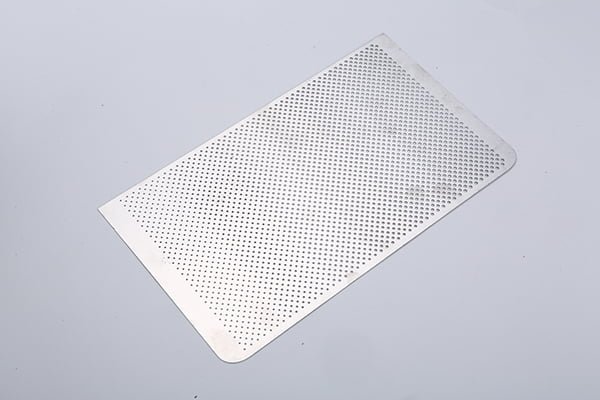
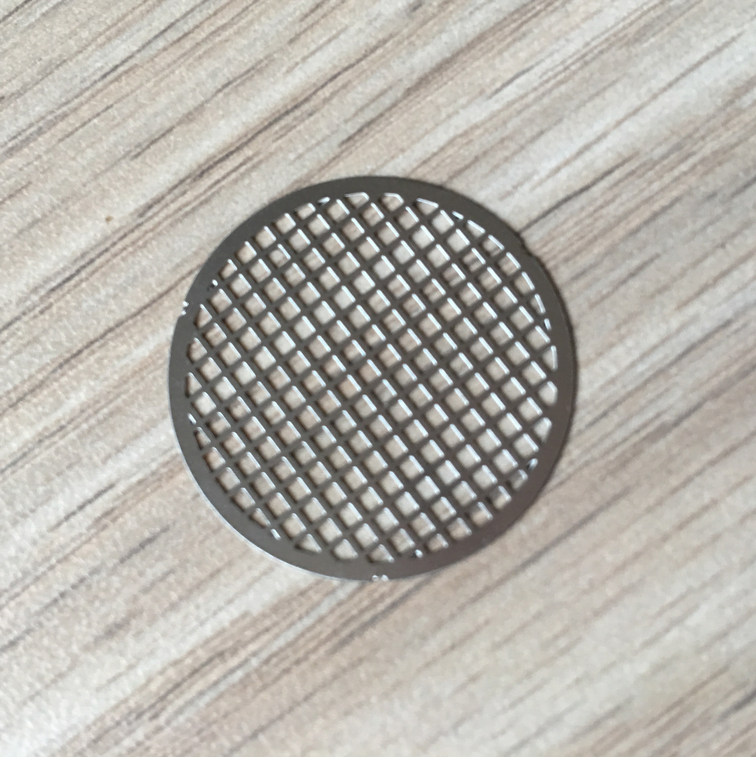
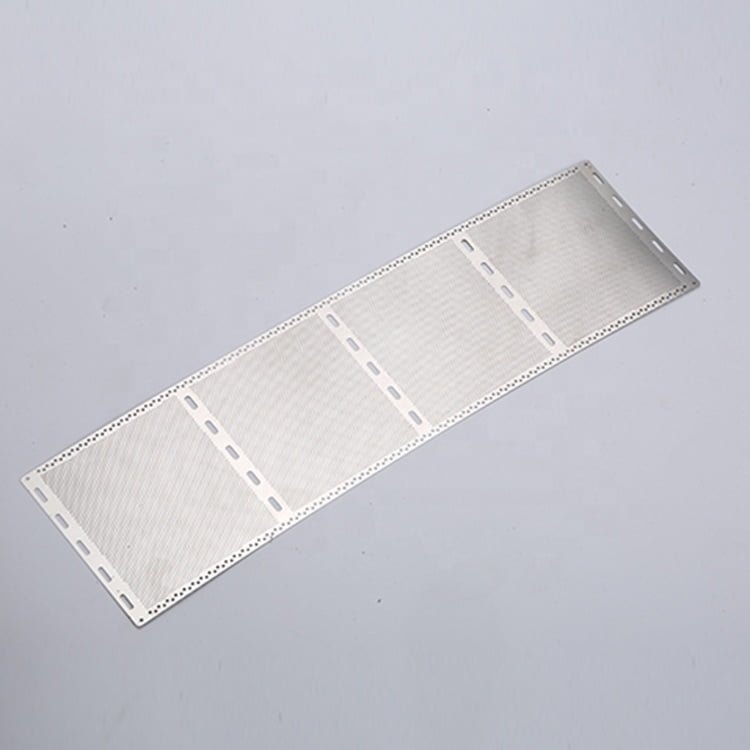
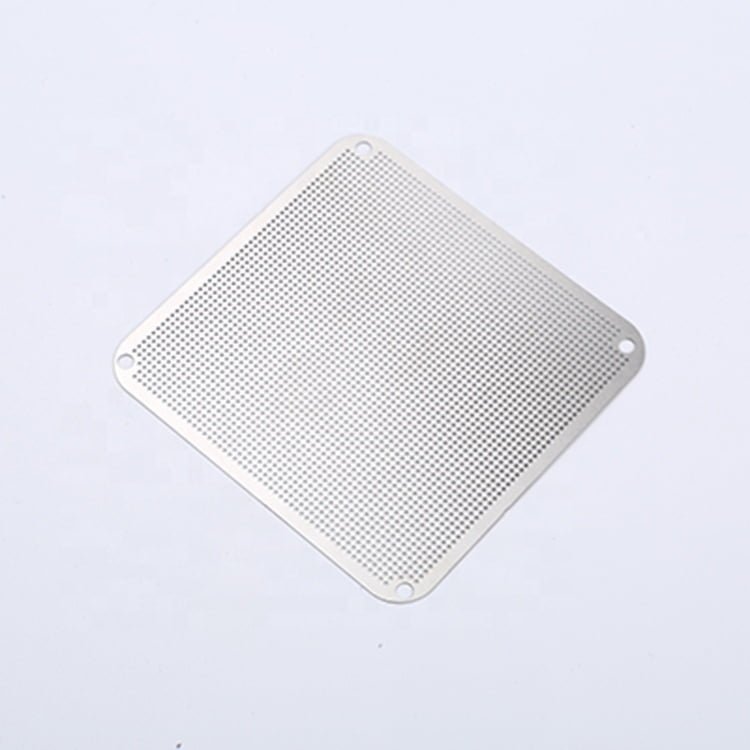
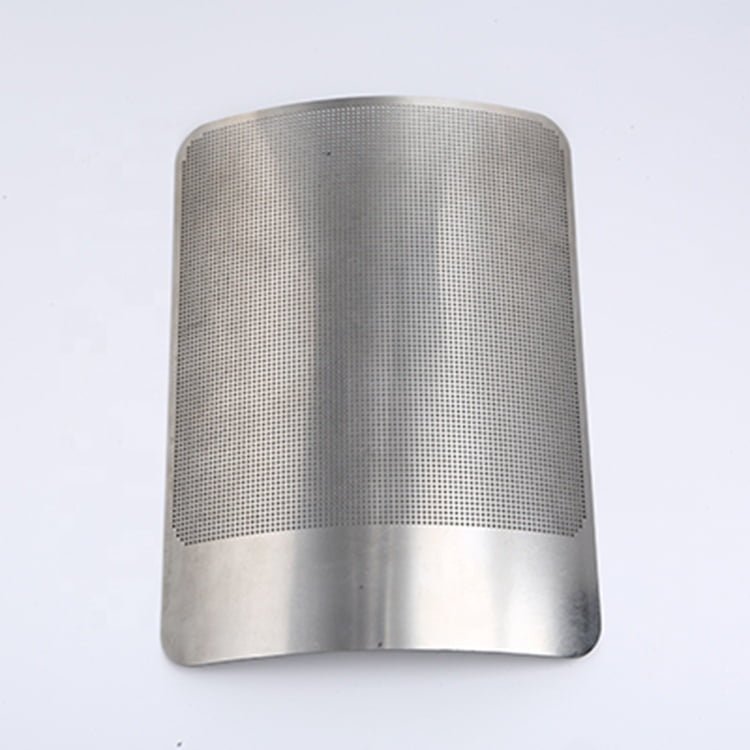
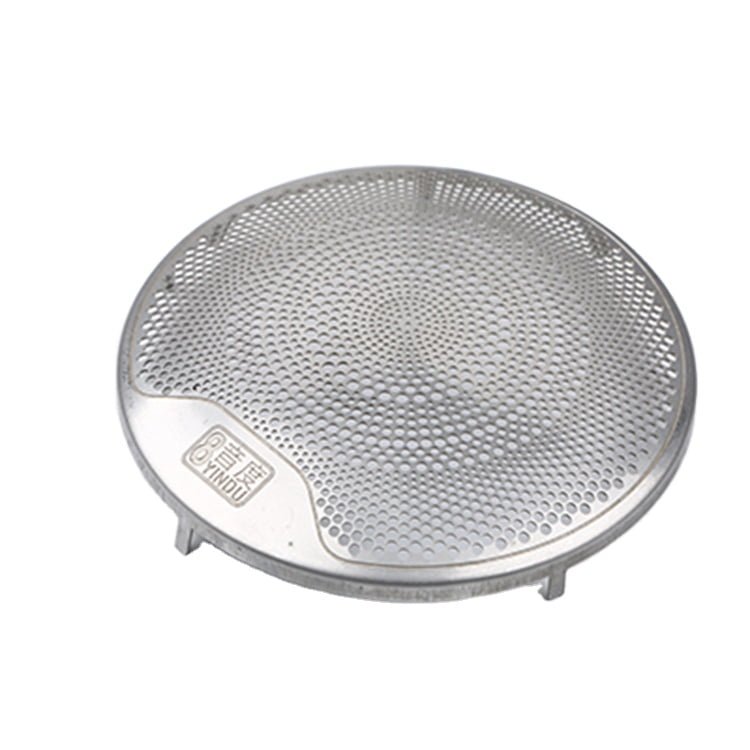
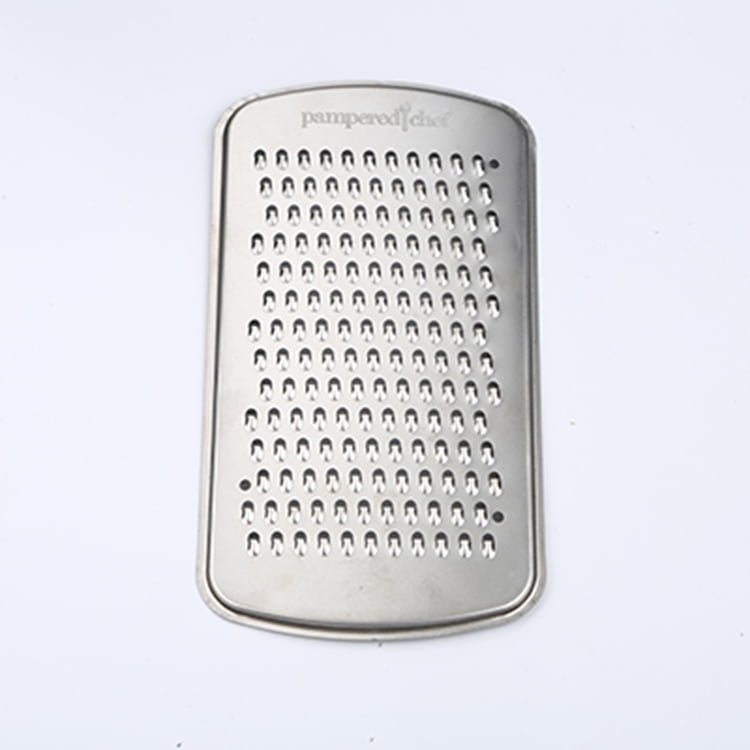
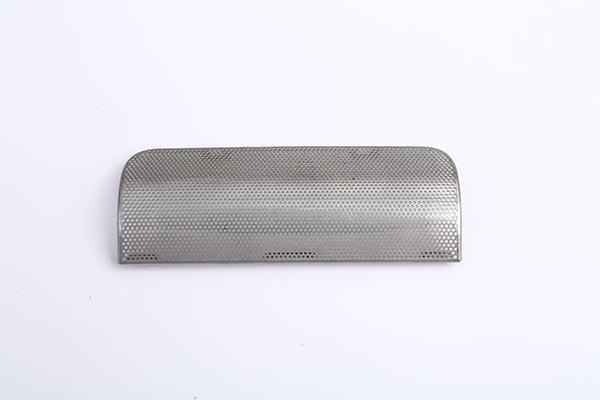
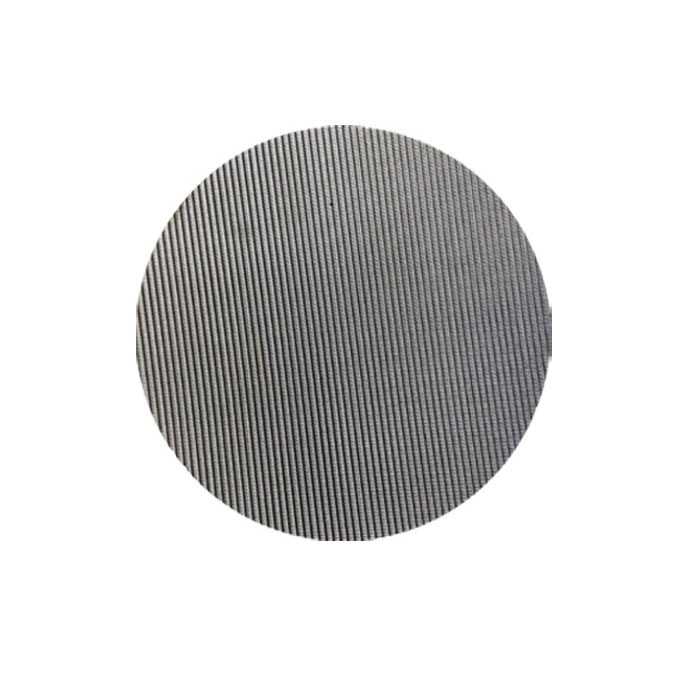
    Stainless Steel Filter Mesh Samples

    Key Benefits of Electrochemical Etching:

    • Sub-100 nm Pore Sizes: This level of precision in pore creation allows for higher reaction surface area, which is essential for enhancing catalytic activity in fuel cells.
    • Increased Surface Area by 400%: Recent studies, such as those published in Advanced Materials (2023), show that electrochemical etching can increase the surface area of nickel mesh by as much as 400%, leading to improved energy efficiency.

    This technique is poised to play a central role in energy generation technologies by improving the efficiency of fuel cells and enhancing the performance of catalysts used in hydrogen energy systems.

    SEM Imaging: 3D Nanostructures Improving Surface Area

    Scanning Electron Microscopy (SEM) images reveal the 3D nanostructures created on nickel-based horn mesh, highlighting the intricate patterns formed during electrochemical etching. These nanostructures contribute significantly to increasing the surface area, providing more sites for catalytic reactions and improving the overall performance of energy applications.

    Source: Advanced Materials, 2023
    Note: Images provided by Advanced Materials illustrate the dramatic surface enhancement achieved through electrochemical etching.


    Data Deep Dive: Surface Area Improvement and Performance Gains

    Through electrochemical etching, researchers have successfully enhanced the electrochemical properties of nickel mesh used in fuel cells. SEM images show the resulting 3D nanostructures, which dramatically increase the surface area by over 400%. This improvement plays a crucial role in optimizing hydrogen fuel cell efficiency, as it enables better access to the catalyst’s active sites, increasing the overall reaction rates.

    Key Data:

    • Surface Area Increase: Electrochemical etching creates pores that increase the surface area of the mesh, facilitating more effective reactions in fuel cell operations.
    • Performance Metrics: The improvement in surface area directly translates into better catalytic efficiency and faster energy production rates for hydrogen fuel cells.

    Simulation Models: COMSOL Multiphysics Analysis of Stress Distribution During Plasma Etching of Titanium Mesh

    Plasma etching, commonly used for creating intricate surface patterns on titanium horn mesh, involves high-energy processes that can induce significant stress on the material. Using COMSOL Multiphysics simulation models, researchers can predict the stress distribution during the etching process and optimize the parameters to avoid deformation or damage to the mesh.

    Simulation Insights:

    • Stress Distribution: By analyzing how plasma etching affects titanium mesh at the microscale, researchers can adjust parameters such as plasma density, temperature, and etching duration to ensure the structural integrity of the mesh.
    • Optimization: The ability to model these effects in a simulated environment allows for parameter optimization, ensuring the performance and longevity of the etched mesh in energy storage applications like supercapacitors.

    By utilizing these simulations, plasma etching can be precisely controlled, leading to the creation of high-performance nanostructured surfaces for energy applications.


    Collaboration Spotlight: University-Industry Partnerships Scaling Up Graphene-Coated Etched Mesh for Supercapacitors

    One of the most exciting developments in horn mesh etching is the collaboration between universities and industry to scale up the production of graphene-coated etched mesh for supercapacitors. These collaborations leverage the combined expertise of academic researchers in materials science and the industrial knowledge of manufacturing processes to develop highly efficient energy storage devices.

    Case Study: Supercapacitors and Graphene-Coated Mesh

    In one collaborative effort, researchers have successfully used graphene-coated etched nickel mesh to improve the performance of supercapacitors. The graphene coating, combined with the enhanced surface area of the etched nickel mesh, leads to higher capacitance and faster charging cycles.

    • Graphene Coating: Graphene enhances conductivity, making the mesh more efficient for energy storage applications.
    • Etching Process: The horn mesh is etched to create microstructural features, which are then coated with graphene, improving the performance of the supercapacitor.

    This university-industry collaboration is paving the way for mass-producing graphene-coated etched mesh, which could revolutionize the supercapacitor market and energy storage technologies.


    Future Directions: AI-Driven Adaptive Etching for Topology-Optimized Mesh Geometries

    Looking ahead, the future of horn mesh etching lies in the use of Artificial Intelligence (AI) to adapt and optimize the etching process in real-time. AI-driven adaptive etching can be used to create topology-optimized mesh geometries that maximize surface area and improve energy efficiency for applications like hydrogen fuel cells and supercapacitors.

    How AI Will Transform Etching:

    • Adaptive Etching: AI will allow for real-time adjustments during the etching process, optimizing parameters like temperature, etchant concentration, and plasma power to produce highly efficient nanostructures.
    • Topology Optimization: By using machine learning algorithms, manufacturers can develop customized mesh designs that are optimized for specific energy applications, increasing both efficiency and durability.

    Future Potential:

    • Scalability: AI-driven etching will enable the scalability of nanostructured surfaces, making it possible to mass-produce highly efficient components for energy storage and generation technologies.
    • Sustainability: With optimized processes, AI can help reduce material waste, making the etching process more eco-friendly.
    Exit mobile version
    Custom Advanced Chemical Etching
    Privacy Overview

    This website uses cookies so that we can provide you with the best user experience possible. Cookie information is stored in your browser and performs functions such as recognising you when you return to our website and helping our team to understand which sections of the website you find most interesting and useful.

    Strictly Necessary Cookies

    Strictly Necessary Cookie should be enabled at all times so that we can save your preferences for cookie settings.