
Chemical Etching Thermal Heat Sinks Animation
Aluminum is the industry standard for heat dissipation due to its excellent thermal conductivity and lightweight properties. However, as power densities rise, the challenge shifts from material choice to surface area optimization. Chemical etching allows for the creation of ultra-fine, high-density fin structures that traditional machining simply cannot replicate.
What is a Chemically Etched Aluminum Heat Sink?
A chemically etched heat sink is a thermal management component where the cooling fins are “grown” or defined through a high-precision chemical removal process. Unlike traditional heat sinks that are cut or pressed, these are manufactured using Photochemical Machining (PCM).
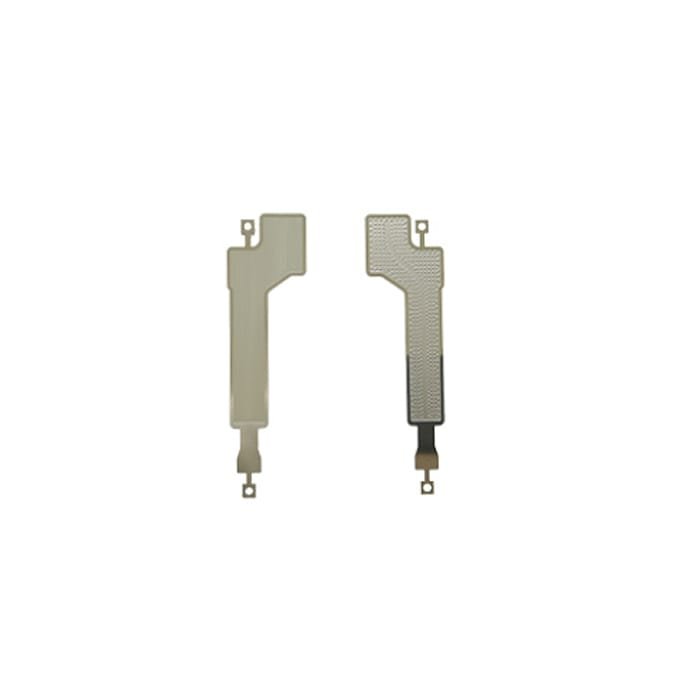
This process uses a light-sensitive photoresist to mask the desired fin pattern on an aluminum sheet. When exposed to a specialized etchant, the unprotected metal is dissolved, leaving behind complex, burr-free fins. This allows for “micro-fin” designs that significantly increase the convective surface area without increasing the overall footprint of the component.
Why is Chemical Etching Better for High Surface Area?
When it comes to cooling, more surface area equals better performance. Here is why etching is the superior choice for high-density fins:
- Extreme Aspect Ratios: Etching can produce fins that are thinner and spaced closer together than extrusion or die-casting. This maximizes the number of fins in a given area.
- No Mechanical Stress: Aluminum is prone to warping when subjected to the heat and pressure of CNC milling or stamping. Etching is a “cold” process that preserves the flatness and integrity of the base plate, ensuring a perfect thermal interface.
- Design Freedom: Engineers can design radial, staggered, or even pin-fin patterns that optimize airflow and turbulence, which are often impossible to manufacture via extrusion.
Process Comparison: Chemical Etching vs. Traditional Extrusion
While extrusion is great for bulk production, it lacks the precision required for high-performance micro-electronics.
| Feature | Chemical Etching | Aluminum Extrusion |
| Fin Density | Ultra-High (Micro-fins) | Moderate |
| Minimum Fin Thickness | $0.05\text{ mm}$ | Generally $>1.0\text{ mm}$ |
| Edge Quality | Burr-free | Requires secondary deburring |
| Tooling Cost | Low (Digital Tooling) | High (Steel Dies) |
| Material Stress | Zero | High (Thermal/Mechanical) |
Technical Specifications: Precision by the Numbers
For high-end thermal applications, every micron counts. Chemical etching delivers the following rigorous standards:
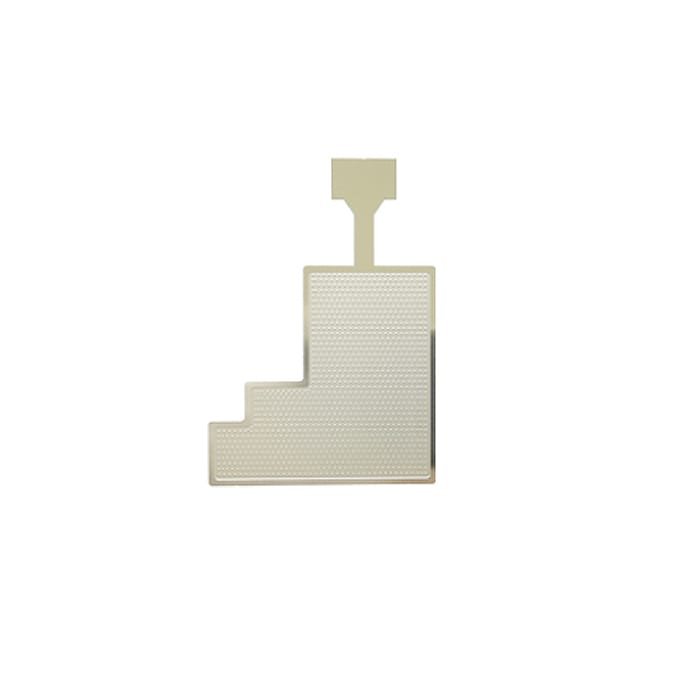
- Material Thickness: $0.05\text{–}0.3\text{ mm}$ (Standard for folded or stacked fin arrays).
- Dimensional Tolerance: $\pm 0.01\text{ mm}$ (Crucial for consistent airflow resistance and thermal contact).
- Surface Finish: Maintained at mill-spec or chemically polished to enhance radiation heat transfer.
Key Applications: Where Every Degree Matters
Chemically etched aluminum heat sinks are essential in equipment where space is at a premium and heat loads are extreme.
1. High-Performance Computing (HPC) & AI Servers
As AI chips push toward higher TDP (Thermal Design Power), etched micro-fins are used in Liquid Cooling Cold Plates. The high surface area allows for maximum heat transfer into the coolant stream within a very thin profile.
2. Aerospace Avionics
In the cockpit of a jet or the payload of a satellite, weight is critical. Etched aluminum heat sinks provide the necessary cooling for Power Distribution Units (PDUs) and Flight Control Computers while remaining significantly lighter than copper alternatives.
3. High-Power LED Lighting
Industrial LED Array Modules generate significant heat at the junction. Etched heat sinks with complex, non-linear fin patterns are used to dissipate heat in compact outdoor fixtures where passive convection is the only cooling source.
4. Electric Vehicle (EV) Power Electronics
In Inverter Gate Drivers and Battery Management Systems (BMS), etched aluminum shields double as heat sinks, providing both EMI protection and thermal relief in cramped engine-bay environments.
By utilizing chemical etching, manufacturers can move past the limitations of traditional metalworking and unlock the full thermal potential of aluminum.
Chemical etching machine