
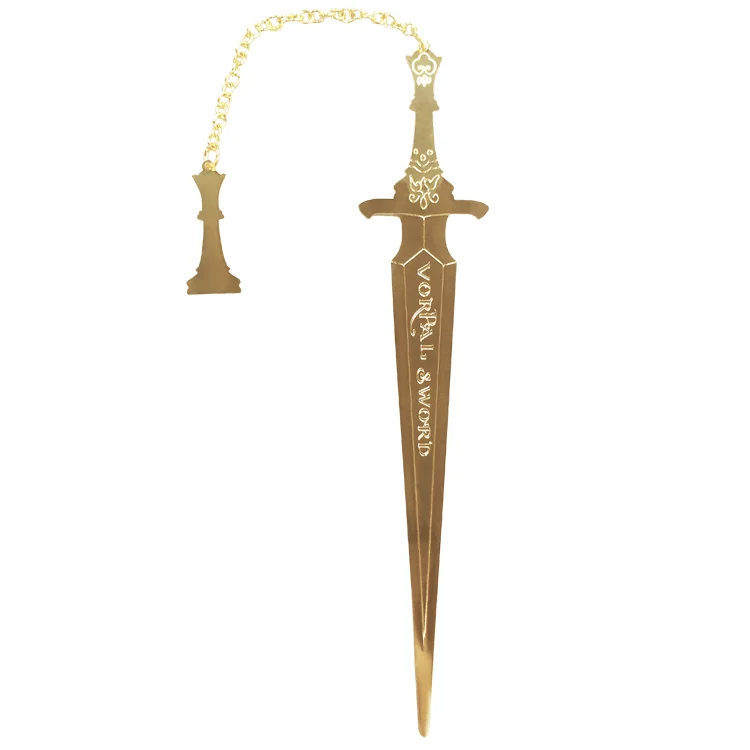
Copper Craftsmanship Etching
This application is a textbook fit for wet chemical etching: many small features per part, tight tolerance on each, and a flat, burr-free edge requirement that mechanical processes cannot meet at competitive cost. The result is a high-volume, repeatable production process with a low photo-tooling cost and predictable per-piece economics.
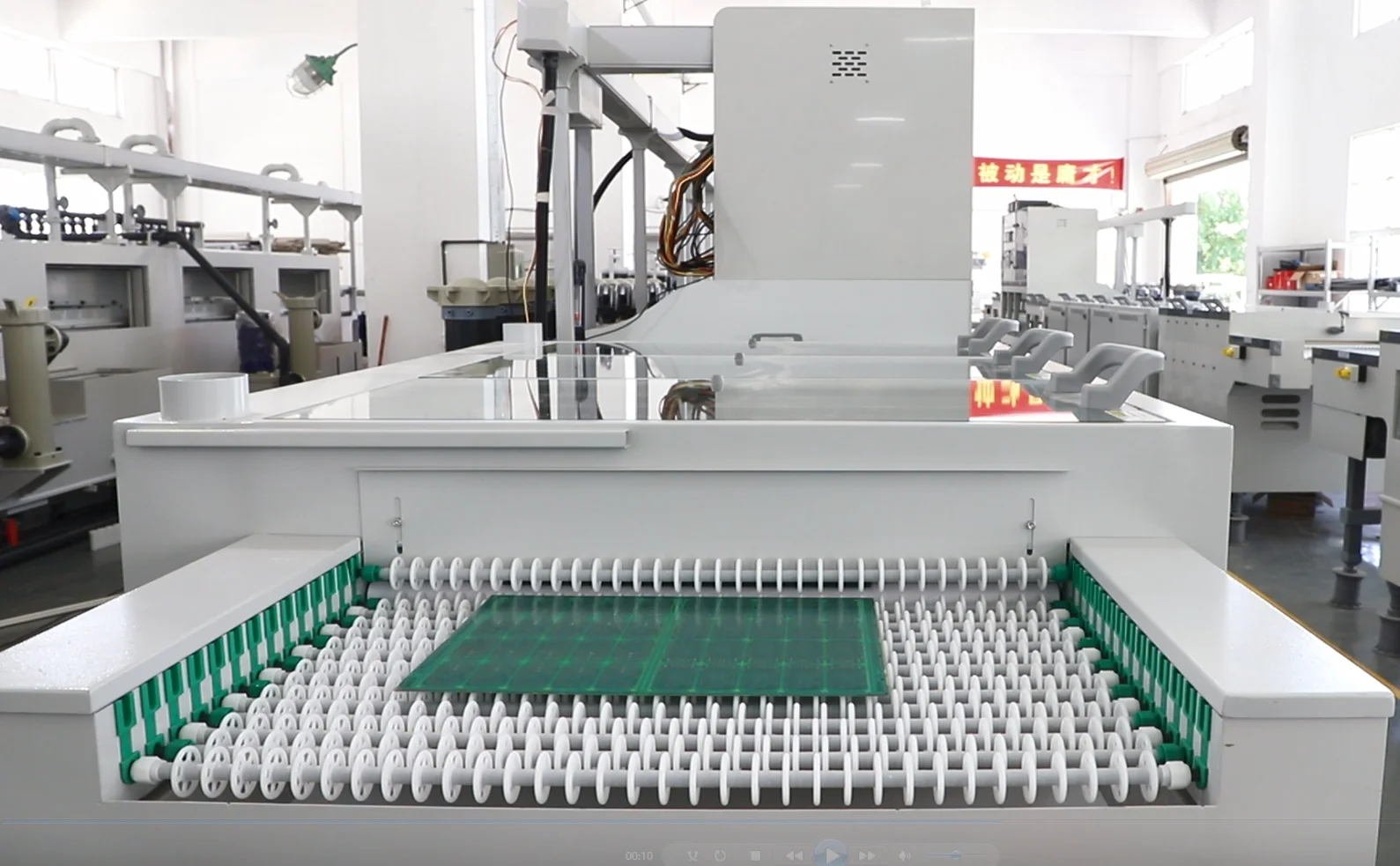
Why Wet Chemical Etching Fits This Application
- Burr-free, stress-free, magnetically clean edges in the as-etched condition.
- Feature parallelism — hundreds of micro-features etched simultaneously at no cost penalty.
- Tight repeatability across long production runs once the bath chemistry is calibrated.
- Low photo-tooling cost means design iteration is fast and cheap compared to hard tooling.
- No work-hardening or heat-affected zone, so downstream forming or plating sees a virgin substrate.
Recommended Material & Bath Chemistry
| Recommended material | C1100 oxygen-free copper or C5210 phosphor bronze |
|---|---|
| Recommended etchant | FeCl₃ at 38–42 °Bé |
| Etch depth strategy | Half-etch (single-sided) |
| Bath specific gravity | 1.40 – 1.45 g/cm³ (FeCl₃ system) |
| Bath temperature | 46 – 50 °C |
| Production yield target | ≥ 97% after photoresist maturity |
Design Rules for This Part Class
Two rules dominate at the design stage. First, every feature dimension carries an undercut allowance — typically 2× the single-side undercut subtracted from the target. Second, web widths between adjacent features must exceed about 1.0× the sheet thickness to avoid bridging defects from photoresist sag. Designs that violate either rule can still be made, but yield drops sharply and per-piece cost rises.
- Minimum hole diameter: ≈ 1.2× sheet thickness.
- Minimum line width: ≈ 1.0× sheet thickness.
- Recommended web (gap) width: ≥ 1.0× sheet thickness.
- Photomask sizing: target dimension + 2× expected undercut.
- Place reference fiducials at three corners of every panel for QA.
Production Advantages
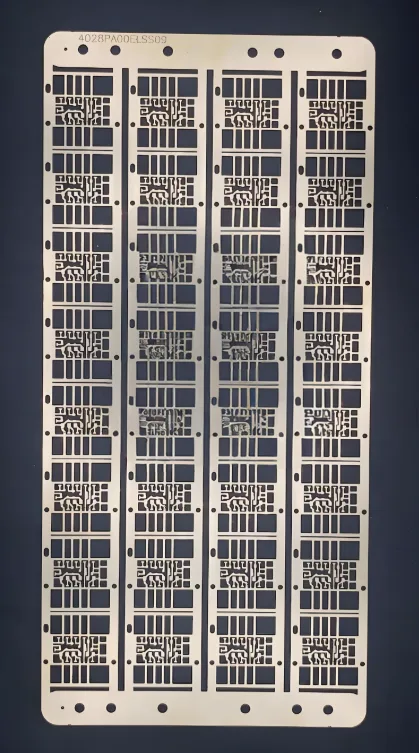
Production-Grade Reproducibility
Bath chemistry, conveyor speed, and rinse cascade controlled to keep tolerance tight across long runs.
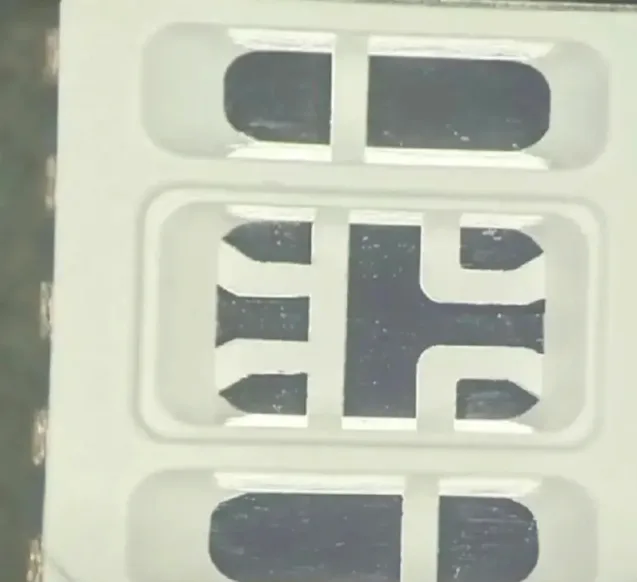
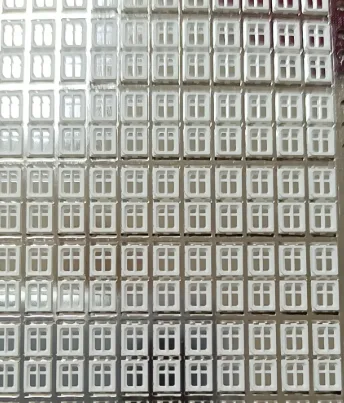
Multi-Feature Single-Pass
Hundreds of micro-features etched in one conveyor pass — no per-feature cost penalty.
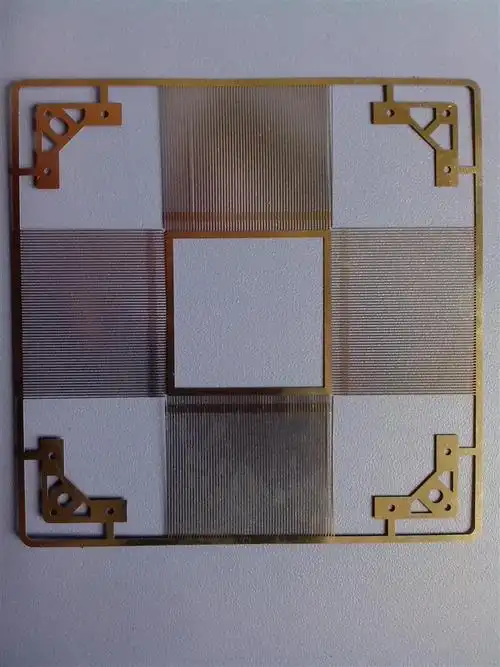
Compatible with Downstream Finishing
Etched parts accept plating, passivation, electropolishing, and PVD/CVD coating without rework.
Fast Design Iteration
Photomask edits replace hard-tooling cycles — first articles in days, not weeks.
Quality & Inspection
Production lots are inspected by optical scan for unetched residue and surface defects, followed by AQL-sampled dimensional measurement on the critical features called out in the drawing. Final tolerance band is the larger of ±25 μm or ±10% of the smallest critical feature.
Related Recipes & Process Parameters
Every formula and parameter row below is a live page on this site with the full chemistry, conveyor speed, and tolerance window for the exact material-thickness-etchant combination. These are the references our process engineers cite from on production shifts.
Related Material References
Related Production Applications
Related Process Equipment
Frequently Asked Questions
What is the typical mass-production yield?
Mature recipes deliver 95–99% yield.
What inspection is performed before shipment?
100% visual inspection plus AQL-sampled dimensional measurements on critical features.
Can the etched part be plated or coated afterward?
Yes. Etched parts are compatible with electropolishing, electroplating, PVD/CVD coating, and passivation.
Which etchant is used?
The standard chemistry is FeCl₃ at 38–42 °Bé. Bath specific gravity is held by titration each shift.