
Beryllium Copper (BeCu) is the undisputed champion of the haptic world. It combines the electrical conductivity of copper with the strength of high-grade steel. However, because BeCu is often used in ultra-thin, high-frequency applications, traditional manufacturing can compromise its “snap.”
What are Chemical Etched Robust Haptic Springs?
A haptic actuator spring is the mechanical heart of a Linear Resonant Actuator (LRA) or a Voice Coil Motor (VCM). It suspends a moving mass and provides the restoring force that creates a specific tactile “pulse.”
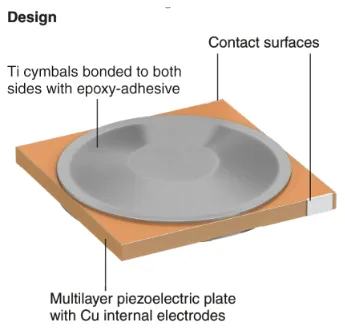
When these springs are manufactured through Chemical Etching, they are produced via a high-precision, non-contact process. By using a chemical reagent to dissolve unwanted metal, manufacturers can create complex, “spiral” or “serpentine” spring geometries that are perfectly balanced. This ensures the haptic response is consistent every time the user interacts with the device.
Why Do We Need Chemical Etching for BeCu?
Beryllium Copper is a high-performance alloy that is sensitive to how it is handled. Here is why photochemical machining is the superior choice:
- Infinite Fatigue Life: Haptic springs must flex billions of times. Traditional stamping creates microscopic “notches” on the edge of the metal, which act as stress-concentration points where cracks begin. Etching creates a smooth, burr-free edge that maximizes the fatigue strength of the alloy.
- No Heat-Affected Zones (HAZ): Laser cutting generates heat that can locally “age” or soften the BeCu, changing its spring constant. Etching is a room-temperature process that preserves the material’s engineered temper.
- Complex Micro-Geometries: To fit into slim smartphones, these springs often feature intricate, interlocking patterns. Etching allows for “web” widths that are far too delicate for a mechanical die to punch without distorting the metal.
Process Comparison: Chemical Etching vs. Traditional Methods
| Feature | Chemical Etching | Hard Tool Stamping | Laser Cutting |
| Edge Quality | Burr-free & Smooth | Shear/Break Marks | Melted Slag/Dross |
| Internal Stress | Zero | High (Mechanical) | Thermal Stress |
| Spring Consistency | Perfect (Batch to Batch) | Subject to Tool Wear | High |
| Tooling Cost | Low (Digital Film) | Very High (Steel Dies) | Zero |
| Prototyping Speed | Days | Weeks | Hours |
Technical Data: The Haptic Precision Standard
To achieve the “premium click” required by flagship electronics, etched BeCu springs must meet tight physical specifications:
- Tolerance: ±0.01 mm (Essential for maintaining a specific resonant frequency in the actuator).
- Thickness Range: 0.05 mm to 0.3 mm (Allowing for high-force feedback in small footprints).
- Flatness: Zero-distortion processing ensures the spring sits perfectly level within the actuator housing.
Critical Applications: From Gaming to Surgical Precision
Chemical etched Beryllium Copper springs are the “tactile engine” inside equipment that requires high-fidelity feedback.
1. High-End Smartphone Haptics
In Linear Resonant Actuators (LRAs) found in flagship mobile devices, these springs provide the sharp, crisp “taps” for virtual keyboards. The ±0.01 mm tolerance ensures that every phone off the assembly line feels exactly the same to the user.
2. Virtual Reality (VR) Controllers
VR systems like the Meta Quest or Valve Index rely on haptic springs to simulate the sensation of a trigger pull or a sword strike. The high fatigue resistance of etched BeCu ensures the controllers don’t lose their “click” after months of heavy gaming.
3. Automotive “Smart” Cockpits
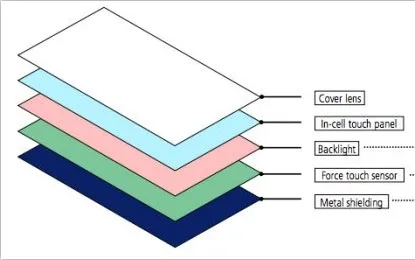
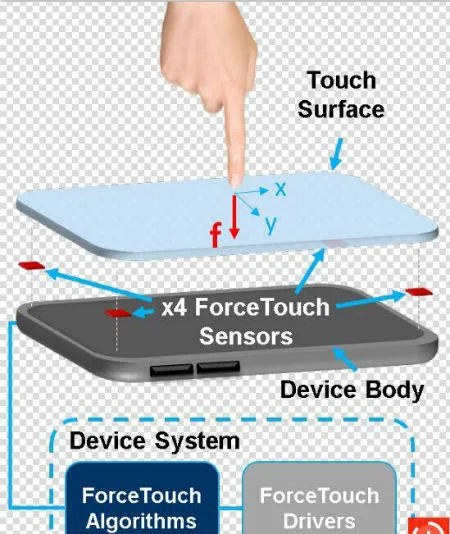
Modern EVs use haptic touchscreens and “haptic steering wheels” to provide feedback without the driver looking away from the road. These springs are integrated into Tactile Touch Panels, providing a physical response that mimics a real button.
4. Robotic Surgical Consoles
In Remote Surgery Systems, haptics are used to give the surgeon a “sense of touch” through the joysticks. Etched BeCu springs provide the delicate, linear resistance required to simulate the feel of biological tissue, ensuring maximum surgical precision.
Matched to this application by our engineering team. Configuration is confirmed against your part and volume.
Frequently Asked Questions
Can you handle both prototype and production volumes for Chemical Etching Beryllium Copper Haptics Actuators – Tactile Feedback Springs?
What lead time should I expect for Chemical Etching Beryllium Copper Haptics Actuators – Tactile Feedback Springs?
How does etching compare with stamping or laser cutting for Chemical Etching Beryllium Copper Haptics Actuators – Tactile Feedback Springs?
Which metals can be used for Chemical Etching Beryllium Copper Haptics Actuators – Tactile Feedback Springs?
Sources & References
- ASTM E407: Standard Practice for Microetching Metals and Alloys
- ASTM B912: Standard Specification for Passivation of Stainless Steels
- Photo Chemical Machining Institute — process capability guidelines
- NIST Engineering Statistics Handbook — process tolerance and capability
Standards are referenced for context. Always confirm parameters against the current published edition and your own process validation.