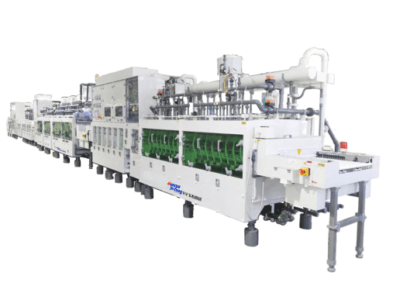
Chemical DES Line (Develop-Etch-Strip)
Flagship 35-meter end-to-end production line — the only equipment that takes a UV-exposed panel and returns…
View details

Knife Mold Etching Machine engineering specification: bath, conveyor, temperature, rinse and control specifications used on our production lines, plus links to the materials, recipes and applications this equipment serves.
Compact, plug-and-play all-in-one knife and mold etching machine for professional blade and small-mold customization. Designed to install on a single bench, power on, and run — no auxiliary utilities beyond standard 3-phase power and rinse water. Also available as a small-format nameplate etching machine for shop-floor customization and signage.
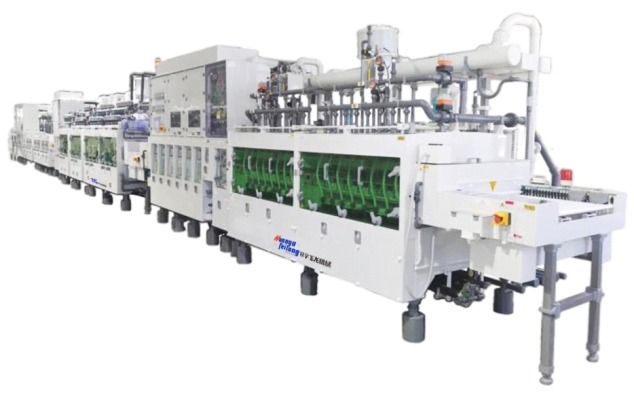
| Model | S650 WET Etching Machine |
|---|---|
| Layout | All-in-one bench unit — etch + rinse + dry in a single chassis |
| Setup | Plug-and-play; install, power on, operate |
| Typical applications | Knife customization, mold etching, nameplate engraving, shop-floor short-run work |
| Compatible materials | SUS420 / SUS440 blade steels, tool steel, brass, aluminum nameplate stock |
| Compatible chemistries | FeCl₃ for blade steels; HCl-based for aluminum |
| Footprint | Bench-top — fits in a standard workshop |
| Power | Single 3-phase connection; standard rinse water supply |
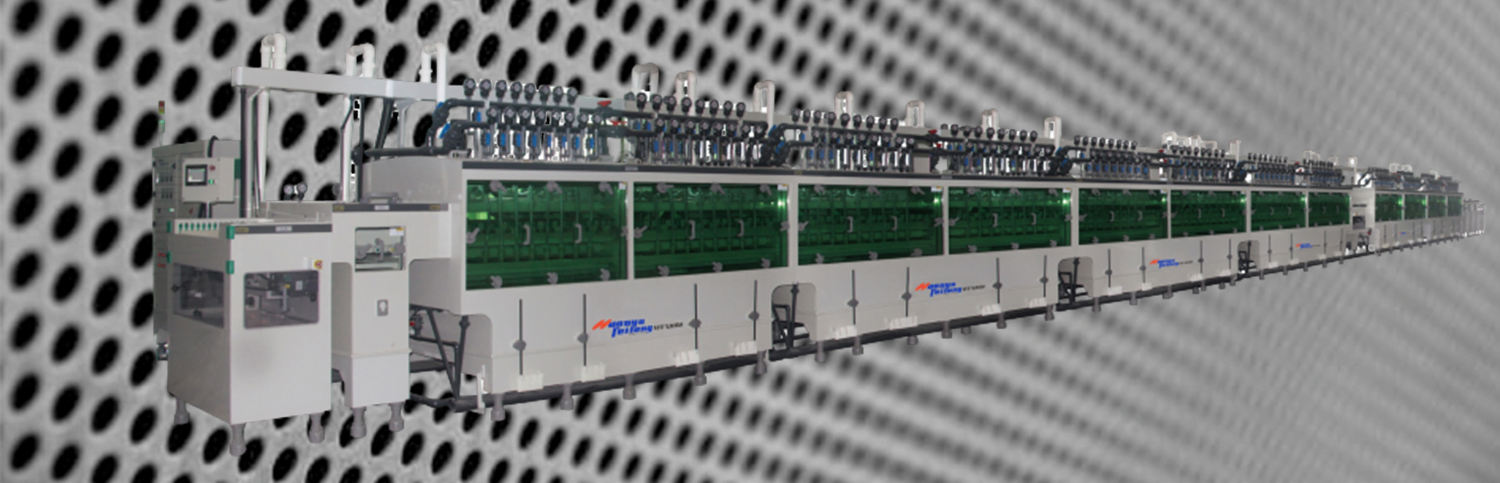

The platform is engineered to four priorities: bath chemistry stability, conveyor uniformity, spray-pressure uniformity, and rinse cascade discipline. In practice it is the temperature loop and the spray nozzles that move output yield from 95% to 98%; everything else is supporting infrastructure.
Request Quote / Layout Drawing Browse Process Library Search Parameter Database
Every formula and parameter row below is a live page on this site with the full chemistry, conveyor speed, and tolerance window for the exact material-thickness-etchant combination. These are the references our process engineers cite from on production shifts.
Yes — wetted-parts upgrades (e.g. FeCl₃ → HF-compatible) and additional stages are planned-shutdown retrofits.
Yes. Every system is built around your panel size, throughput target, available utilities, and downstream process integration — not sold as a fixed SKU.
Equipment is manufactured by Xinxin Precision, who is also a working metal etching factory — meaning every chemistry and process shipped has been validated on our own production line first.
Production lead time is typically 8 – 14 weeks depending on configuration. Plug-and-play bench units are usually available faster.
Standards are referenced for context. Always confirm parameters against the current published edition and your own process validation.
Besides complete production lines we supply spare parts and consumables for PCB drilling and routing machines:
Flagship 35-meter end-to-end production line — the only equipment that takes a UV-exposed panel and returns…
View details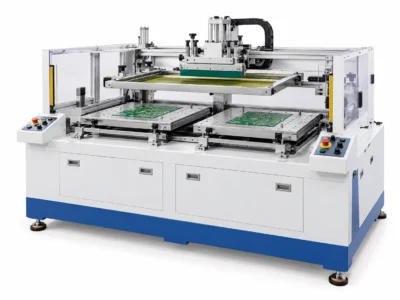
Engineer-configured solder mask & printing equipment for consistent results across rigid, multilayer, and HDI boards.
View details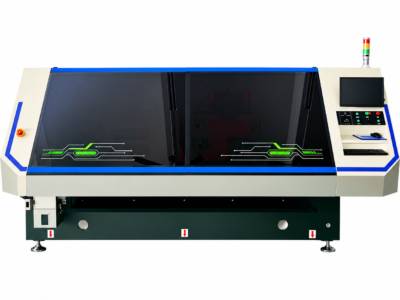
WET-AS-4ZH 4 Spindles PCB Drilling and Routing Machine
View details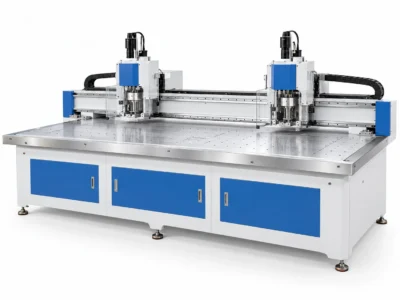
A configured-to-order profiling & routing system for PCB production lines, built and supported in-house.
View details