
TC1 Titanium Alloy · HF(5%)+HNO₃(30%)
Chemical Etching Formula
TC1 Titanium Alloy
with HF(5%)+HNO₃(30%)
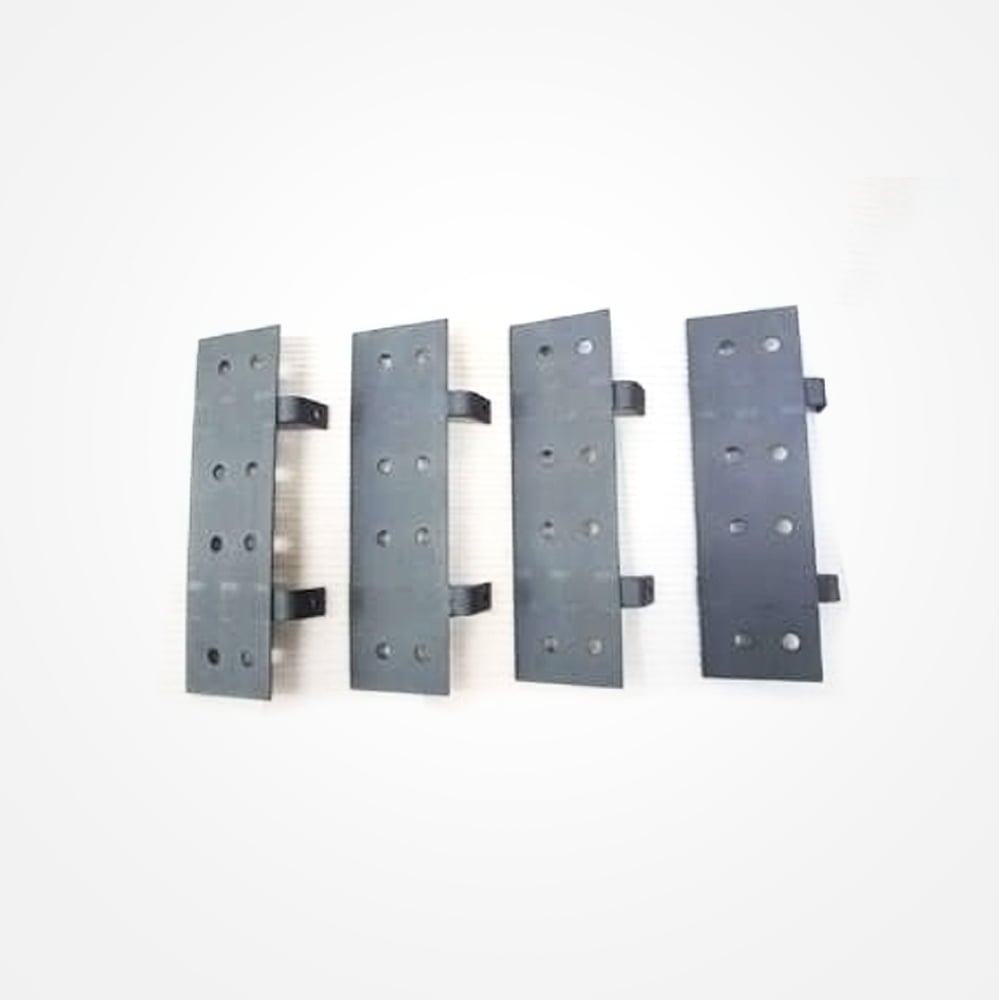
Formula Summary
The table below summarizes every parameter that defines this etching formula. Values listed as ranges scale with sheet thickness across the supported band.
Why HF(5%)+HNO₃(30%) for TC1 Titanium Alloy?
For TC1 Titanium Alloy, the HF/HNO₃ blend works where chloride chemistries stall: fluoride dissolves the stable oxide, nitric acid re-oxidizes the metal, and the two cycle to give a steady etch. Concentration and temperature control are critical here because the rate is strongly chemistry-dependent.
Process Window & Bath Control
The process window for this HF(5%)+HNO₃(30%) formula centres on 34°C and as specified. Conveyor speed spans 0.12-1.36 m/min over the 0.05-0.5 mm thickness band; the typical operating point is 0.17 m/min. Every 5°C drop in bath temperature requires roughly a 30% reduction in conveyor speed to hold the same etch depth, so temperature stability is the single biggest lever on consistency.
Design Rules & Tolerances
Feature sizes scale with sheet thickness. For this formula the minimum hole diameter ranges 60-600 μm and the minimum line width ranges 100-500 μm across the 0.05-0.5 mm band, following the industry 1.2× (hole) and 1.0× (line) thickness rules. Single-side undercut ranges 11-109 μm, and the etch factor is about 2.30. Size your photomask by subtracting twice the expected undercut from each finished feature dimension.
• Minimum hole diameter range: 60-600 μm
• Minimum line width range: 100-500 μm
• Single-side undercut range: 11-109 μm
• Typical etch factor (EF): 2.30
Yield & Production Economics
This formula delivers a typical yield of 95.1% (range 94.2-95.4%). At that rate, per-part economics are driven mostly by fixed photomask and setup cost for small batches and by sheet utilisation for large runs. The chemistry itself does not change with quantity, so the same recipe serves prototype and production volumes.
Typical Applications
Typical applications for TC1 Titanium Alloy processed with HF(5%)+HNO₃(30%) include medical implants, surgical instruments, aerospace brackets, and corrosion-resistant filters. The formula's tolerance band and yield make it well suited to medium-to-high-volume precision flat parts.
Process Equipment & Material Reference
On the shop floor, this TC1 Titanium Alloy + HF(5%)+HNO₃(30%) recipe is implemented on a wet chemical etching machine. The 34°C bath setpoint and 0.12-1.36 m/min conveyor range correspond to verified production envelopes on that equipment for through etch (double-sided).
The Titanium chemical etching guide reference goes one level above the recipe shown here, surveying the full thickness range, depth options, and common subgrades we run for titanium.
Production Use Cases for This Formula
Production examples for the TC1 Titanium Alloy / HF(5%)+HNO₃(30%) recipe span stainless steel mesh for aroma diffusers, ultrasonic mesh for robotic vacuum cleaners, and stainless filtration mesh for vacuum cleaners. In every case, the etch factor and undercut figures on this page are the dominant tolerance drivers — bath maintenance discipline matters more than equipment headline rating.
If your part falls into one of these classes — or a closely adjacent one — this formula is usually the right starting point. We confirm fit with a short sample run on the actual sheet stock before locking in mask artwork.
More Titanium Alloys Formulas
Other formulas in the same material family.
Frequently Asked Questions
Sources & References
- ASTM E407: Standard Practice for Microetching Metals and Alloys
- ASTM B912: Standard Specification for Passivation of Stainless Steels
- Photo Chemical Machining Institute — process capability guidelines
- NIST Engineering Statistics Handbook — process tolerance and capability
Standards are referenced for context. Always confirm parameters against the current published edition and your own process validation.
Need a Quote for This Process?
WET Etched runs production wet chemical etching lines using the HF(5%)+HNO₃(30%) chemistry. Send us your part drawing and quantity for a full process quote.