
Shim stock is essentially a very thin “spacer” used to adjust the fit between two parts. While standard shims are often stamped from rolls of metal, high-performance industries require a level of flatness and edge quality that traditional tools cannot deliver.
What are Chemical Etching Robust Shim Foils?
A robust shim foil is a high-precision spacer manufactured to an exact thickness, often from stainless steel, brass, or copper alloys. When these foils are produced through Chemical Etching, they are created by selectively removing metal using a controlled chemical reaction rather than a physical blade or punch.
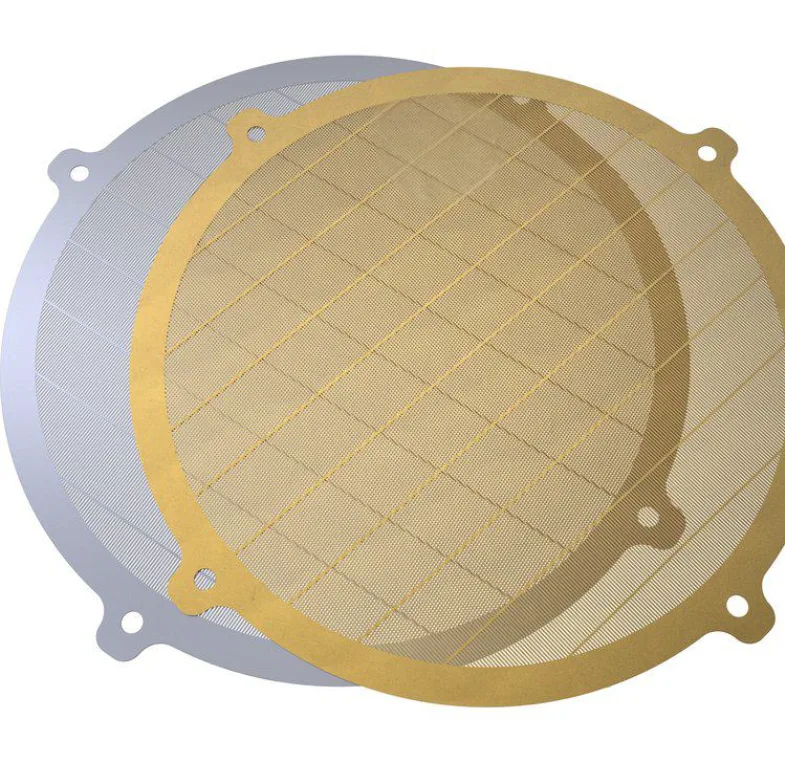
This process—often called Photochemical Machining (PCM)—allows for the creation of incredibly thin, complex shapes without distorting the metal. Because the chemicals dissolve the metal atom-by-atom, the resulting shim is perfectly flat and free of the microscopic “curls” or burrs that occur with mechanical cutting.
Why Do We Need Chemical Etching for Shims?
If a shim isn’t perfectly flat, it creates “point loading,” which can cause mechanical assemblies to fail under high pressure. Here is why chemical etching is the mandatory choice for precision foils:
- Burr-Free Edges: Stamping a shim creates a “rolled” edge. In a high-precision bearing or turbine assembly, that tiny burr can prevent a flush fit. Etching produces smooth, vertical edges that require no secondary deburring.
- No Material Stress: Mechanical cutting and laser heat can warp thin foils. Chemical etching is a “cold” process, meaning the metal retains its original flatness and temper. This is vital for “stacking” multiple shims to reach a specific dimension.
- Low-Cost Complexity: If a shim needs a specific hole pattern or an irregular “ear” for handling, etching can produce it without expensive steel dies. This makes it ideal for custom aerospace and medical prototypes.
Process Comparison: Chemical Etching vs. Traditional Methods
When reliability is the goal, the way a shim is made determines how long the machine will last.
| Feature | Chemical Etching | Hard Tool Stamping | Laser Cutting |
| Edge Quality | Perfectly Smooth | Shear/Break Marks | Slag/Heat Damage |
| Flatness | Excellent (Stress-Free) | Risk of Bowing | High (Thermal Stress) |
| Thickness Consistency | High | Moderate | High |
| Tooling Cost | Low (Digital) | Very High | Zero |
| Burrs | None | Significant | Small Dross |
Technical Data: The Standard for Precision
To meet stringent engineering tolerances, etched shim stock must adhere to the following physical metrics:
- Tolerance: +/- 0.01 mm (Allowing for ultra-fine adjustments in optical and high-speed rotary systems).
- Thickness Range: 0.05 mm to 0.3 mm (The “sweet spot” for high-density electronic and mechanical packaging).
- Surface Integrity: The process preserves the original mill finish of the foil, ensuring consistent thermal and electrical conductivity.
Critical Applications: Where Precision is Non-Negotiable
Chemical etched shim foils are the “silent adjusters” inside the world’s most complex equipment.
1. Aerospace Jet Engines
Inside Turbine Blade Assemblies, etched shims are used to adjust the “tip clearance” of the blades. The +/- 0.01 mm tolerance ensures that the gap is small enough for maximum fuel efficiency but large enough to account for thermal expansion at high altitudes. These parts must meet strict SAE standards for flight safety.
2. Medical Robotic Arms
In Surgical Robots, etched foils are used in the “joints” to eliminate backlash. By using a 0.05 mm shim to take up the tiny gaps in the gear train, the robot can achieve the sub-millimeter precision required for brain or spinal surgery.
3. Automotive Transmission Systems
Modern Dual-Clutch Transmissions (DCT) use etched shims to set the “preload” on bearings. Because the etched shims are stress-free and perfectly flat, they distribute the load evenly, preventing the bearings from overheating or wearing prematurely at high RPMs.
4. High-End Optical Systems
In Photolithography Equipment (used to make computer chips), etched foils act as spacers between lenses. The absence of burrs ensures that the lenses are perfectly parallel, preventing the “optical tilt” that would otherwise ruin the silicon wafers.
Matched to this application by our engineering team. Configuration is confirmed against your part and volume.
Frequently Asked Questions
How does etching compare with stamping or laser cutting for Chemical Etching Shim Stock Foils – Precision Thickness Tolerances?
What lead time should I expect for Chemical Etching Shim Stock Foils – Precision Thickness Tolerances?
What equipment is recommended for Chemical Etching Shim Stock Foils – Precision Thickness Tolerances?
Can you handle both prototype and production volumes for Chemical Etching Shim Stock Foils – Precision Thickness Tolerances?
Sources & References
- ASTM E407: Standard Practice for Microetching Metals and Alloys
- ASTM B912: Standard Specification for Passivation of Stainless Steels
- Photo Chemical Machining Institute — process capability guidelines
- NIST Engineering Statistics Handbook — process tolerance and capability
Standards are referenced for context. Always confirm parameters against the current published edition and your own process validation.