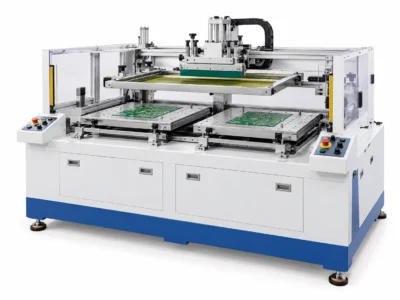
Solder Mask & Printing
Dual-Table Screen Printing Machine
Engineer-configured solder mask & printing equipment for consistent results across rigid, multilayer, and HDI boards.
View details
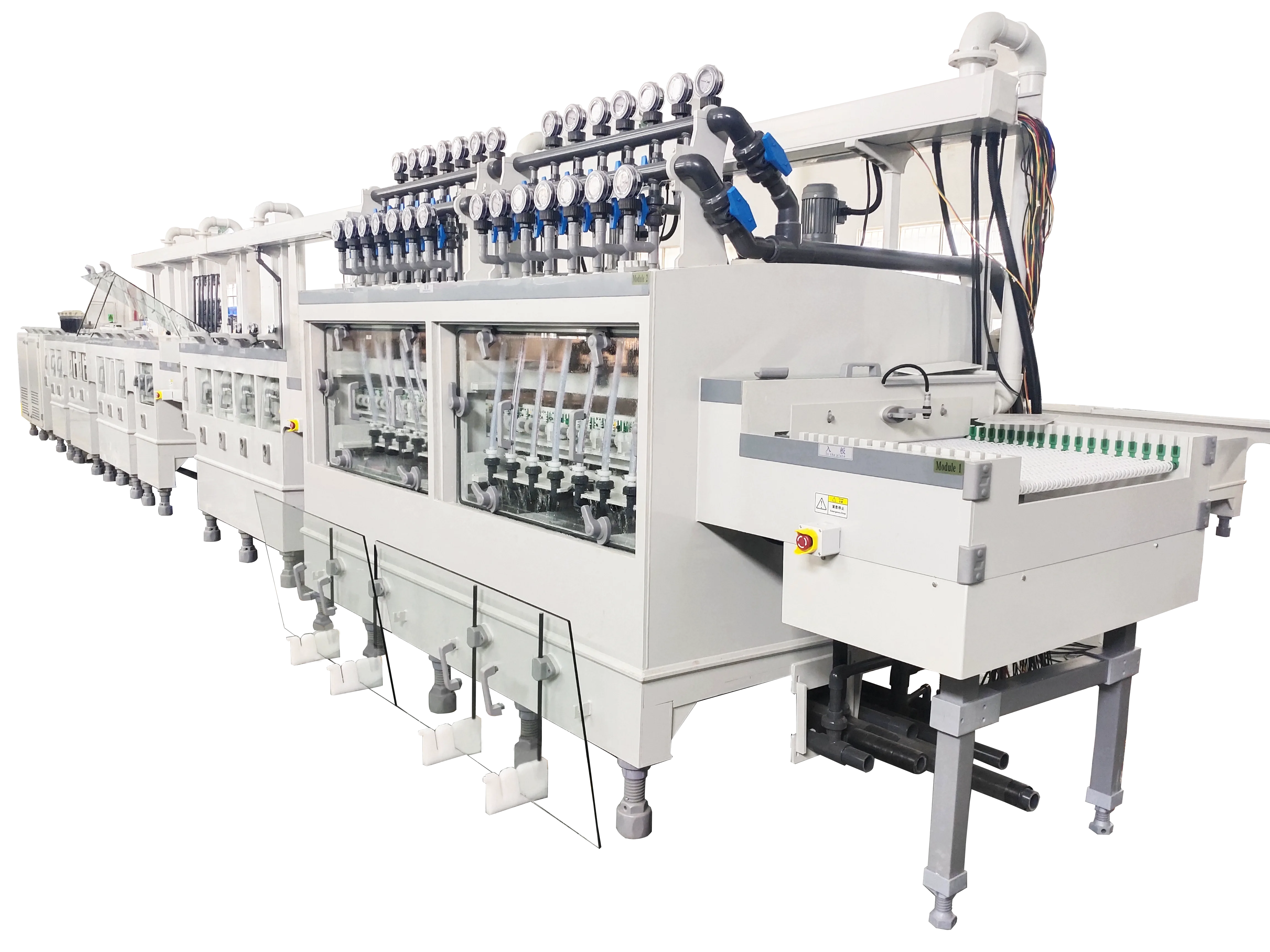
Precision Acid Cleaning Machine engineering specification: bath, conveyor, temperature, rinse and control specifications used on our production lines, plus links to the materials, recipes and applications this equipment serves.
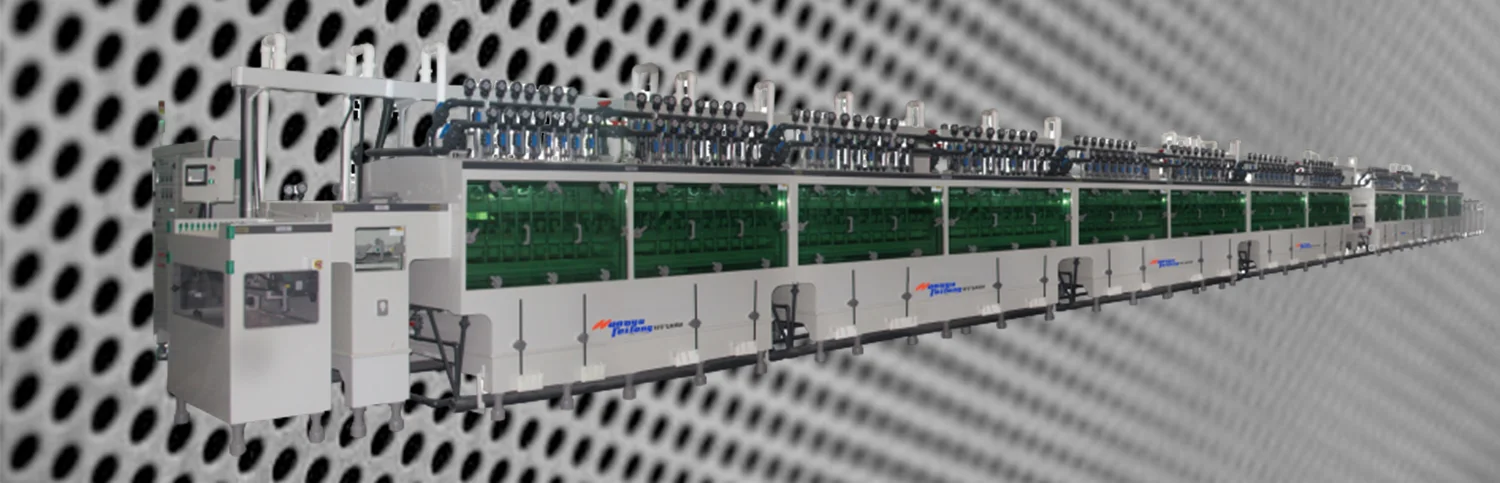
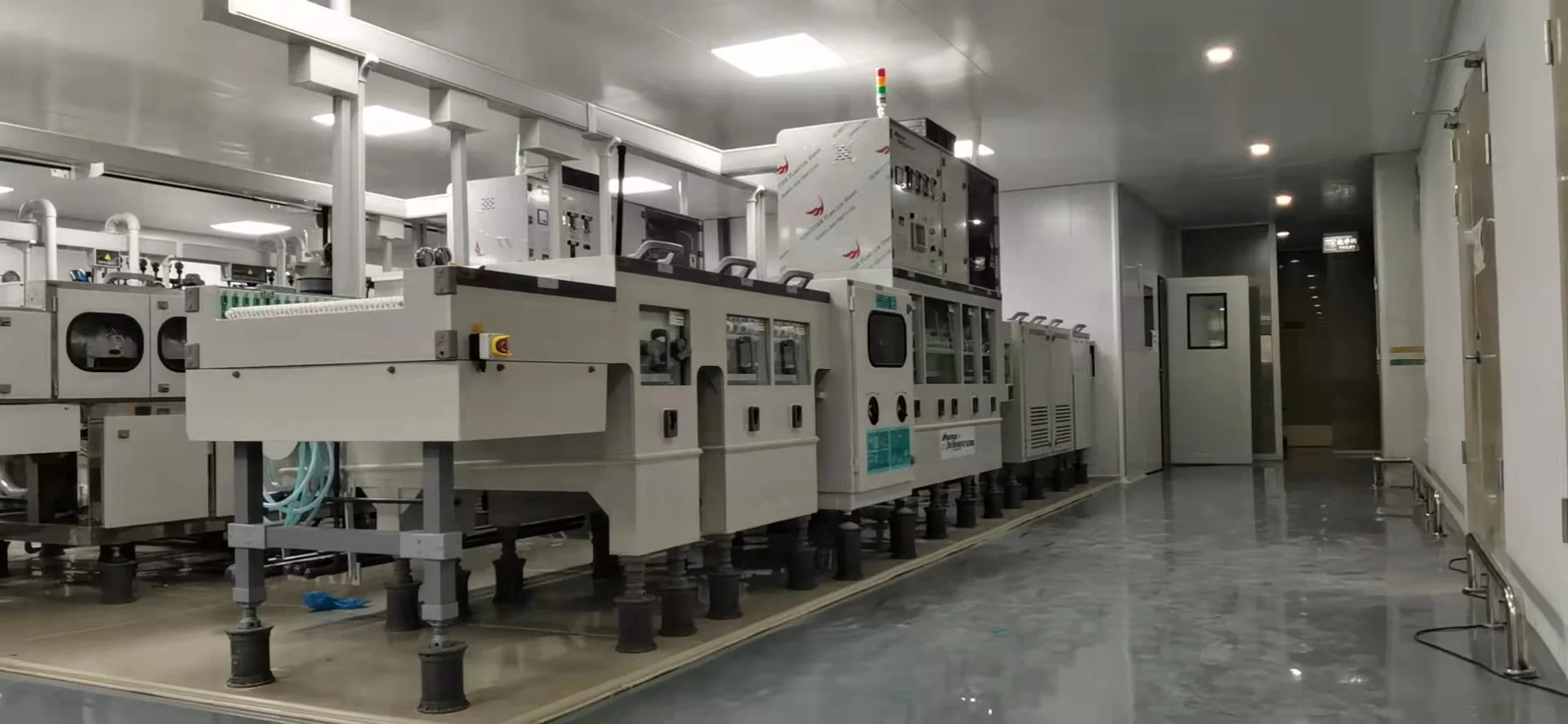
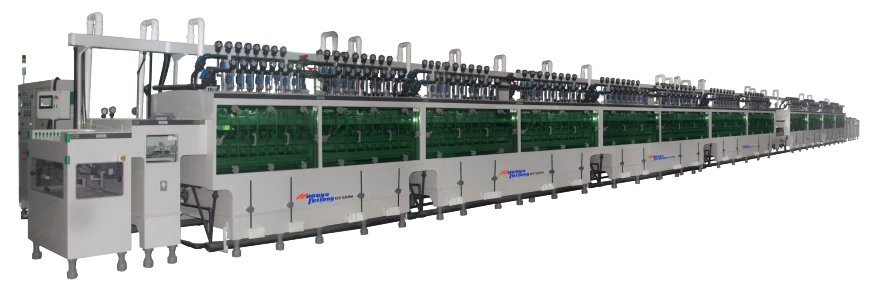
Production-grade precision acid cleaning machine engineered to prepare metal surfaces for downstream etching, coating, plating, or bonding. Combines water washing, micro-etching, ultrasonic cleaning, pickling, and anti-oxidation treatment into one line. Integrated spray and immersion stages, recipe-driven acid concentration control, and acid-resistant wetted parts (PTFE / PVDF / titanium alloy) make it the standard pre-treatment cell ahead of any precision wet etching or surface-finishing process.
| Process stages | Water washing → micro-etching → ultrasonic cleaning → pickling → anti-oxidation |
|---|---|
| Process modes | Spray, immersion, and ultrasonic acid cleaning — selectable per recipe |
| Compatible materials | Stainless steel, titanium, copper, aluminum, nickel-based alloys |
| Acid chemistry | HCl, H₂SO₄, HNO₃, HF blends, mixed-acid pickle — concentration adjustable on the HMI |
| Wetted parts | PTFE, PVDF, or titanium alloy depending on chemistry build option |
| Control system | PLC-driven with pH sensors, conductivity meters, temperature controllers — recipe management with full audit trail |
| Temperature control | PID ±1.5 °C per stage |
| Real-time monitoring | pH, conductivity, temperature, flow rate logged per panel |
| Typical applications | Pre-etch surface activation, post-etch acid rinse, adhesion preparation ahead of coating / plating / bonding |
Request Quote / Layout Drawing Browse Process Library Search Parameter Database
Every formula and parameter row below is a live page on this site with the full chemistry, conveyor speed, and tolerance window for the exact material-thickness-etchant combination. These are the references our process engineers cite from on production shifts.
Equipment is manufactured by Xinxin Precision, who is also a working metal etching factory — meaning every chemistry and process shipped has been validated on our own production line first.
Yes. Compliance packages are available as engineering options. Specify at order time so wetted parts, electrical, and emergency-stop circuits are sized accordingly.
Footprint ranges from a single-bench all-in-one unit up to 12 – 25 m floor length for a full production line. Layout drawings are part of the proposal package.
This machine is engineered for the material coverage cited in the specification table above. Bath chemistry and wetted parts are selected at build time to match the customer’s actual metal and process mix.
Standards are referenced for context. Always confirm parameters against the current published edition and your own process validation.
| Core inter-layers | |
|---|---|
| PCB construction where | |
| Working width | |
| High | |
| Thin Material Transport for PCB | |
| Voltage | |
| Material | |
| Specificities | |
| Heating type | |
| Modular metal | |
| Apply to | |
| Common Processes | |
| Common Chemicals Etchant | |
| After Warranty Service |
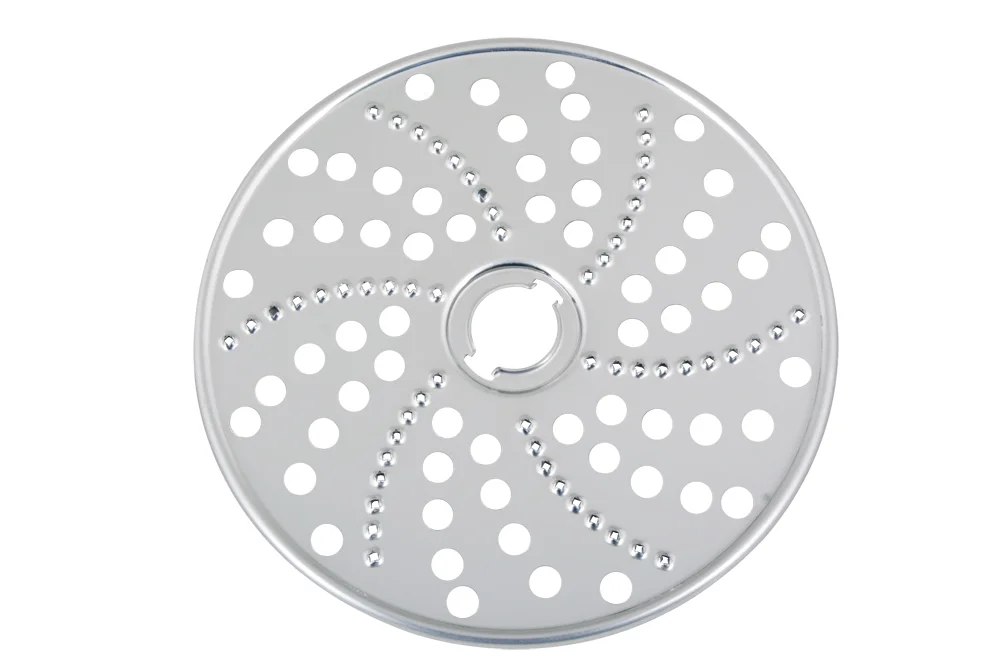
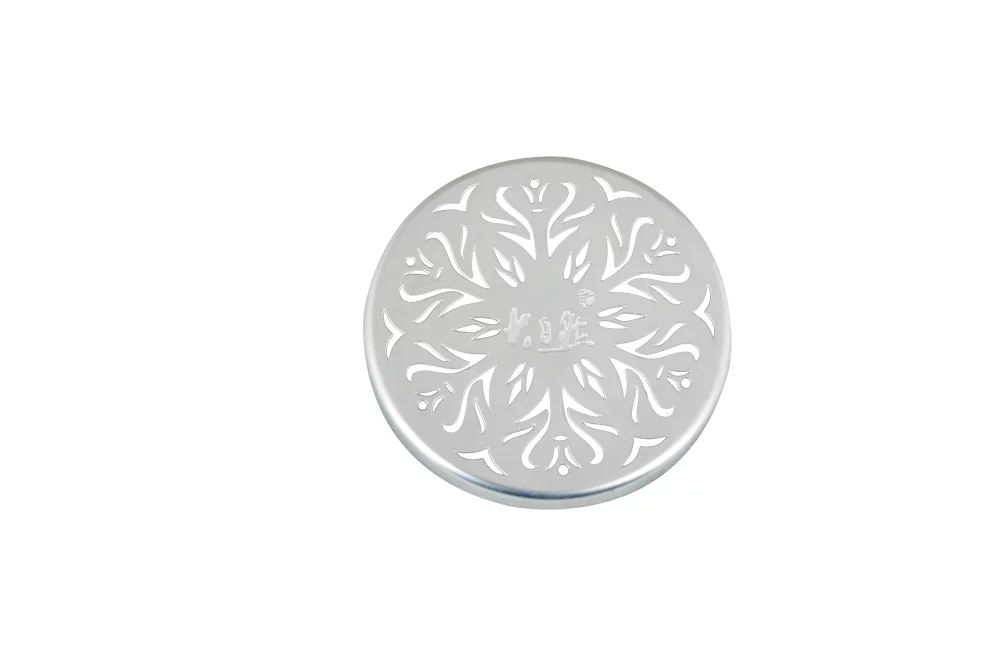
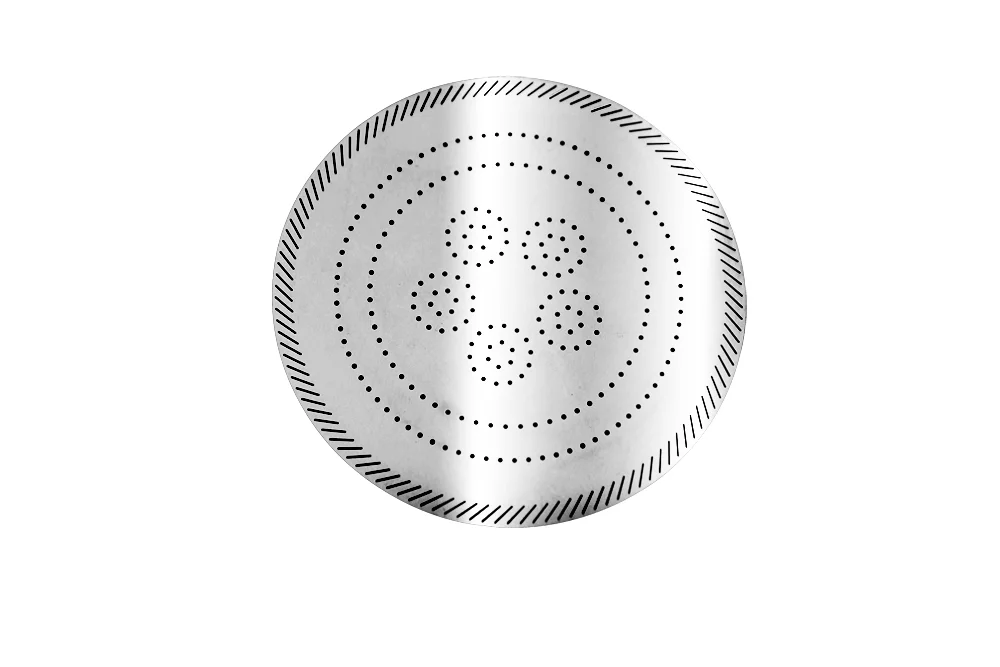
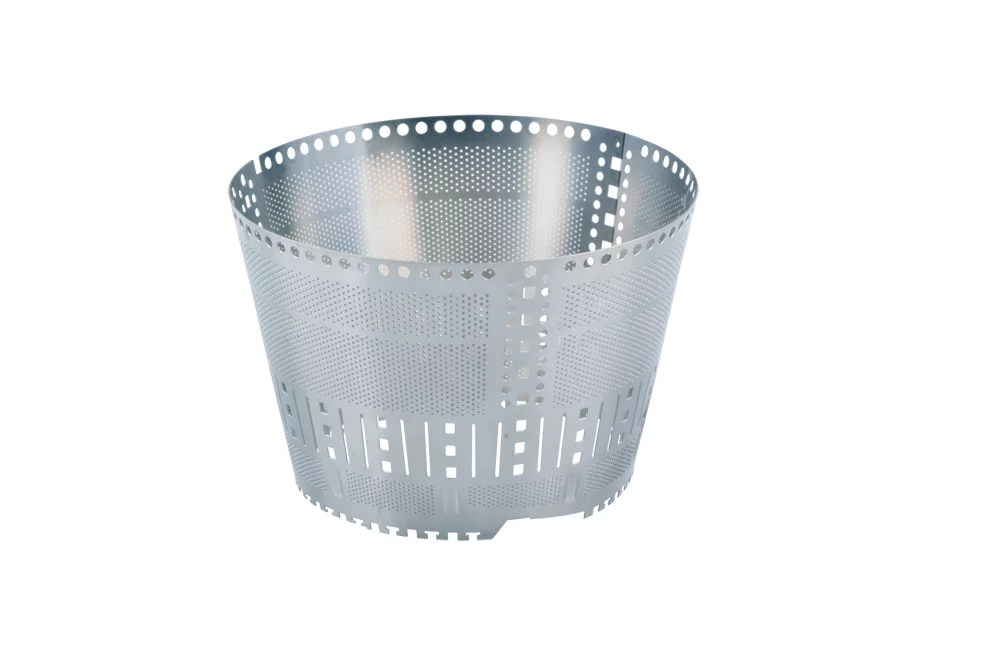
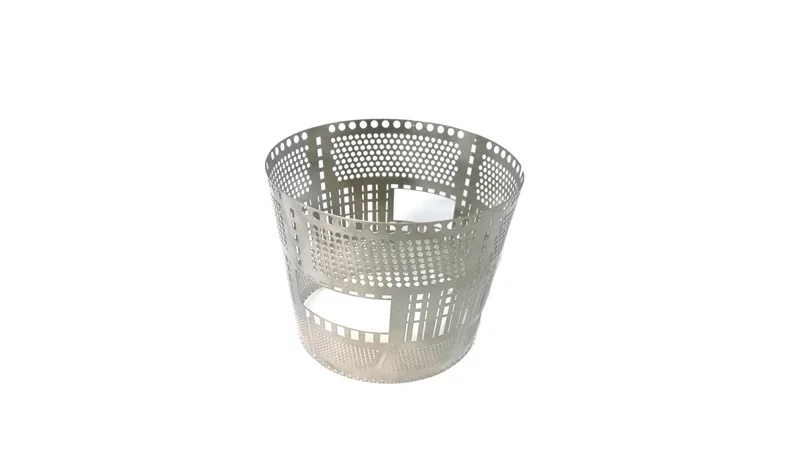
Besides complete production lines we supply spare parts and consumables for PCB drilling and routing machines:
Engineer-configured solder mask & printing equipment for consistent results across rigid, multilayer, and HDI boards.
View details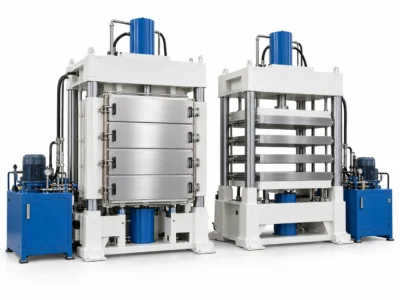
Precision lamination & multilayer equipment specified to your panel size, throughput, and automation level.
View details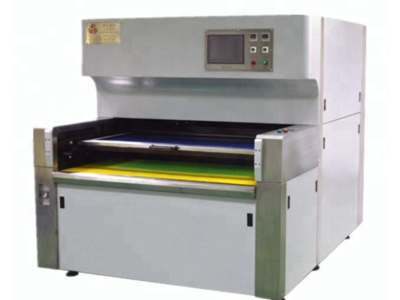
Have photosensitive in double -face.design for single and double -face exposure
View details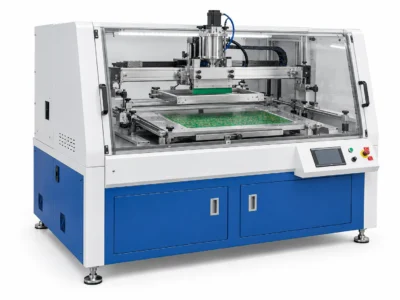
Engineer-configured solder mask & printing equipment for consistent results across rigid, multilayer, and HDI boards.
View details