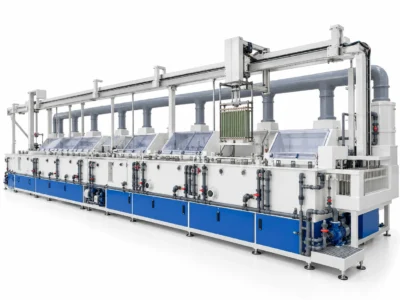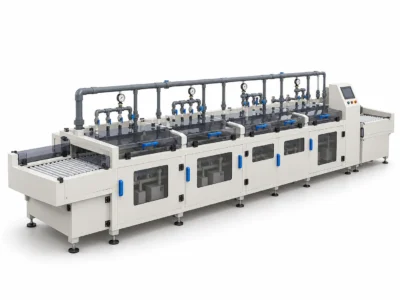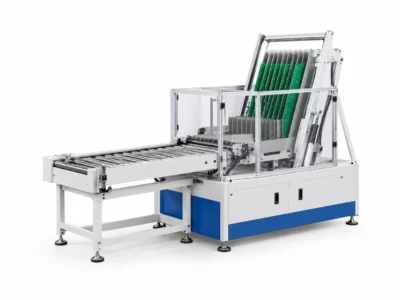

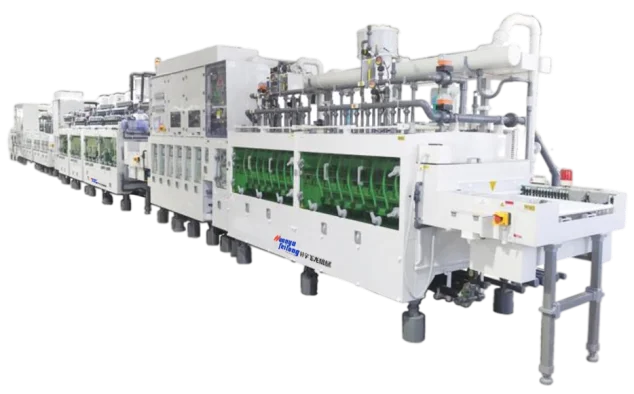
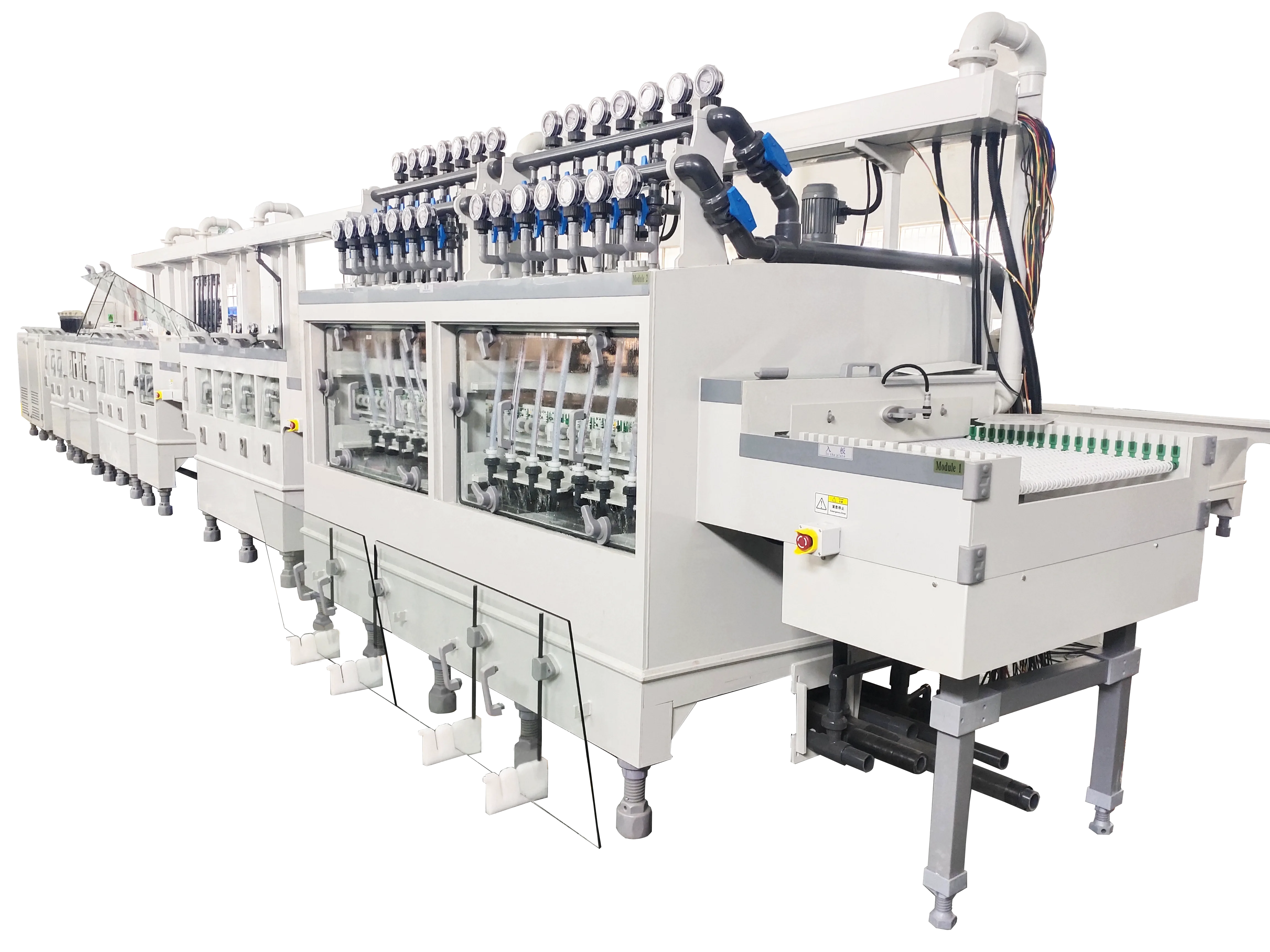
Biomedical Blade Etching Machine
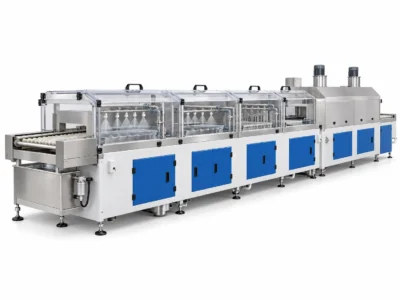
Wet chemical etching machine engineered specifically for surgical-grade blade and micro-needle production. Built on the same platform as our general wet etching lines, but with tighter temperature control, cleanroom-compatible wetted parts, and a process library tuned to medical-grade stainless steel, titanium, and nickel-based alloys. Manufactured by Xinxin Precision — an equipment manufacturer that is also a working etching factory, so every recipe shipped has been validated on our own production line.
Why This Equipment
- Built by people who run blade production every day — Xinxin Precision is an equipment maker AND a metal etching factory.
- Tighter temperature loop (±0.5 °C) than general-purpose etching machines, because medical-grade edge uniformity demands it.
- Cleanroom-compatible wetted parts and surfaces for downstream sterile assembly.
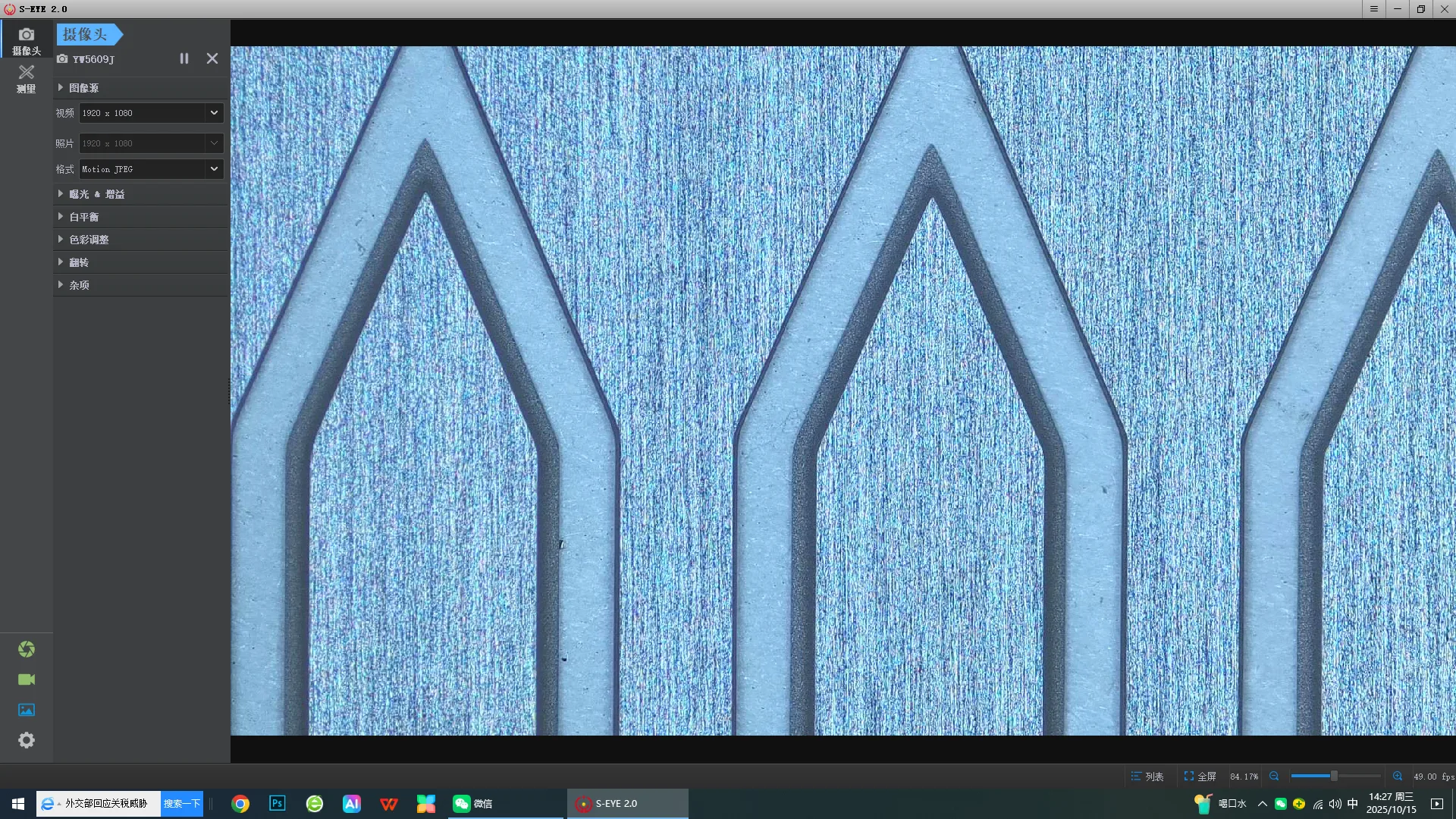
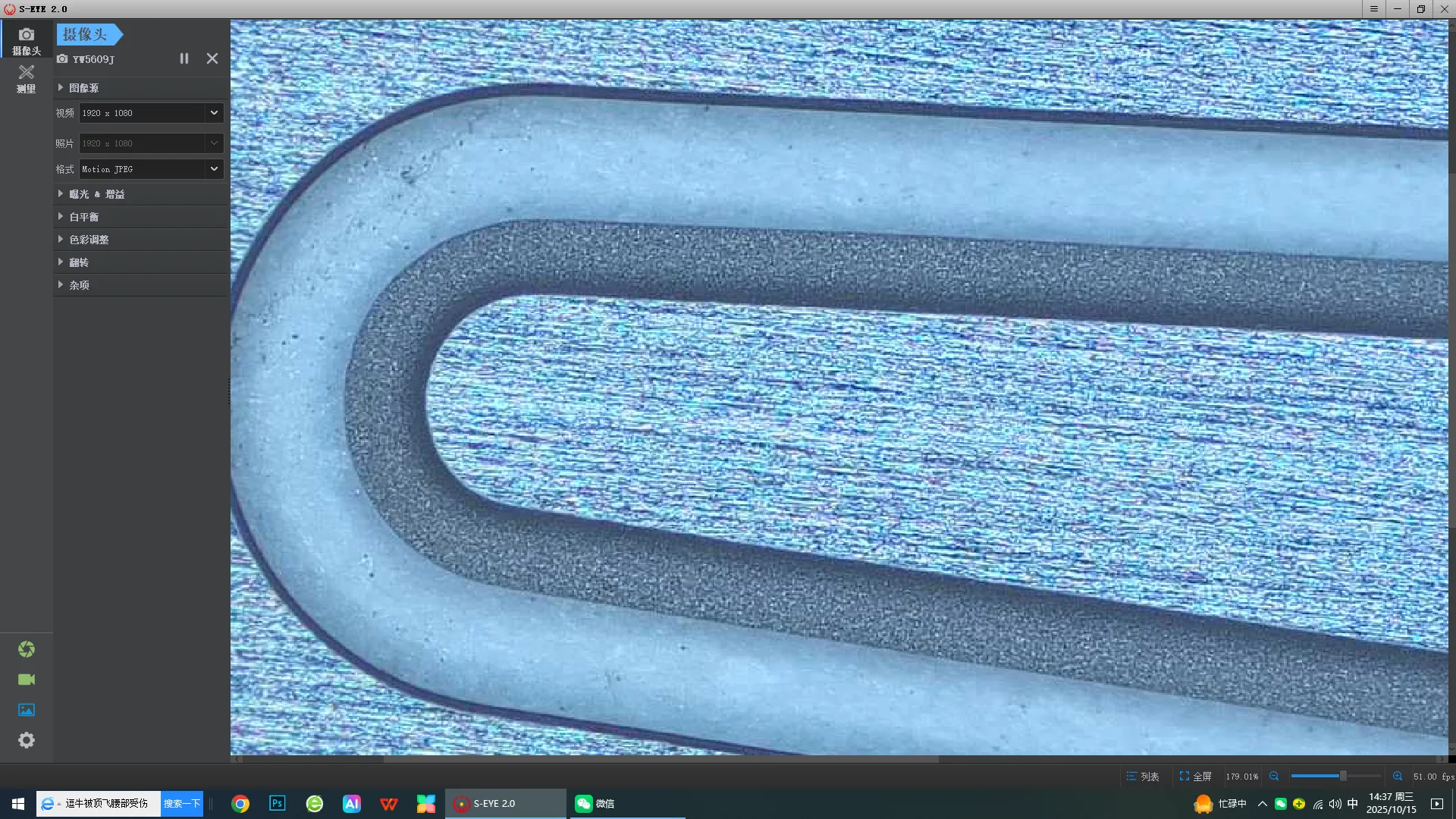
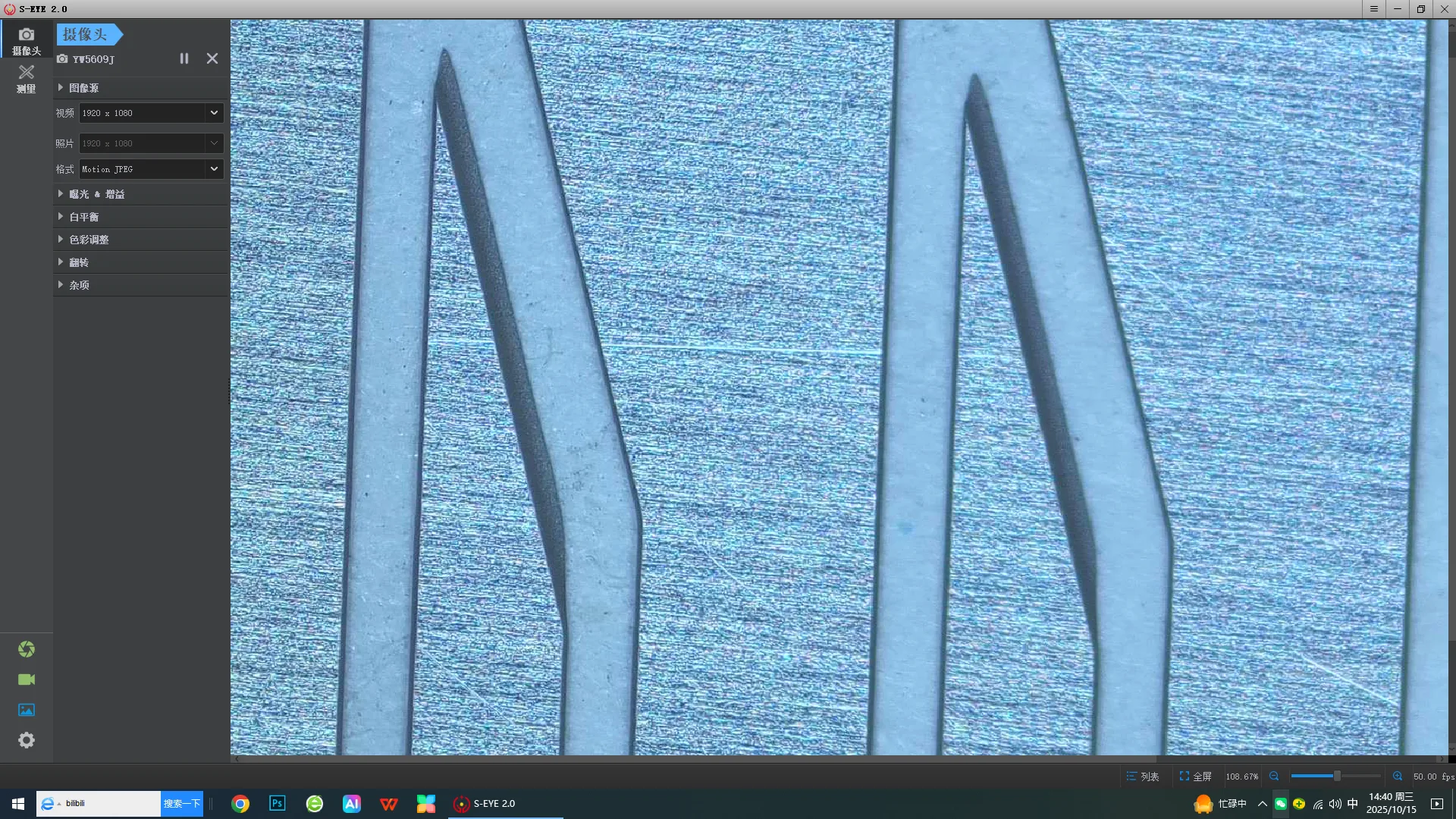
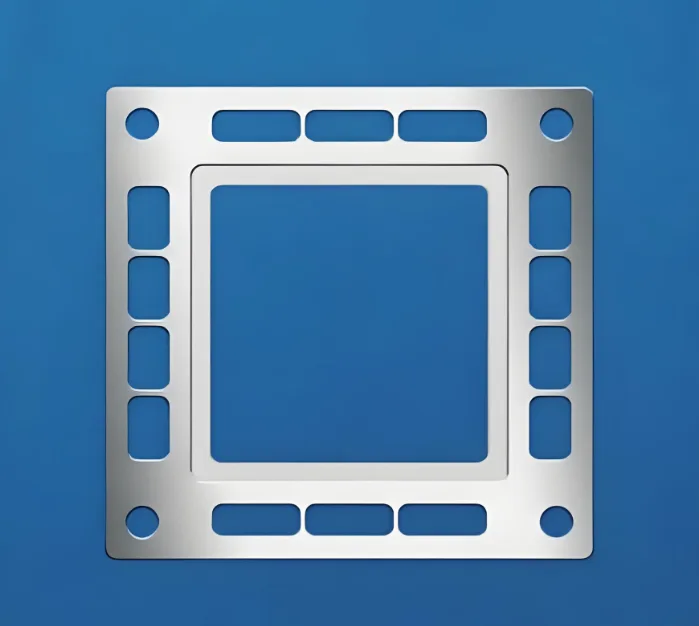
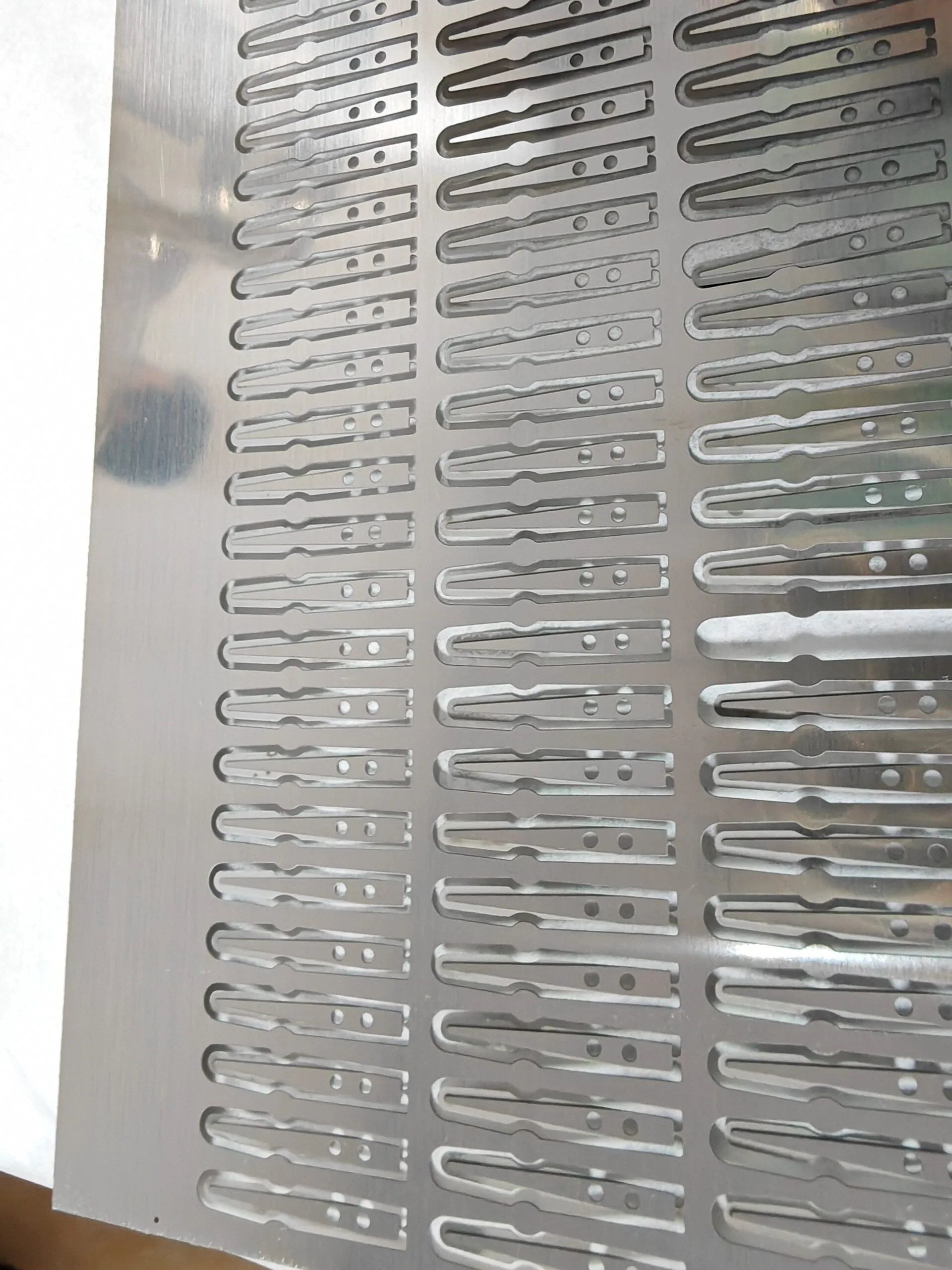
- Burr-free, stress-free, no recast layer — the as-etched edge is already at surgical quality.
- End-to-end blade manufacturing available as a service if you need finished blades rather than equipment.
Engineering Specifications
| Tightened temperature control | PID ±0.5 °C with redundant thermocouples |
|---|---|
| Supported materials | SUS304, SUS316L, SUS420 blade steels; titanium and titanium alloys; nickel-based alloys; special surgical-grade metals |
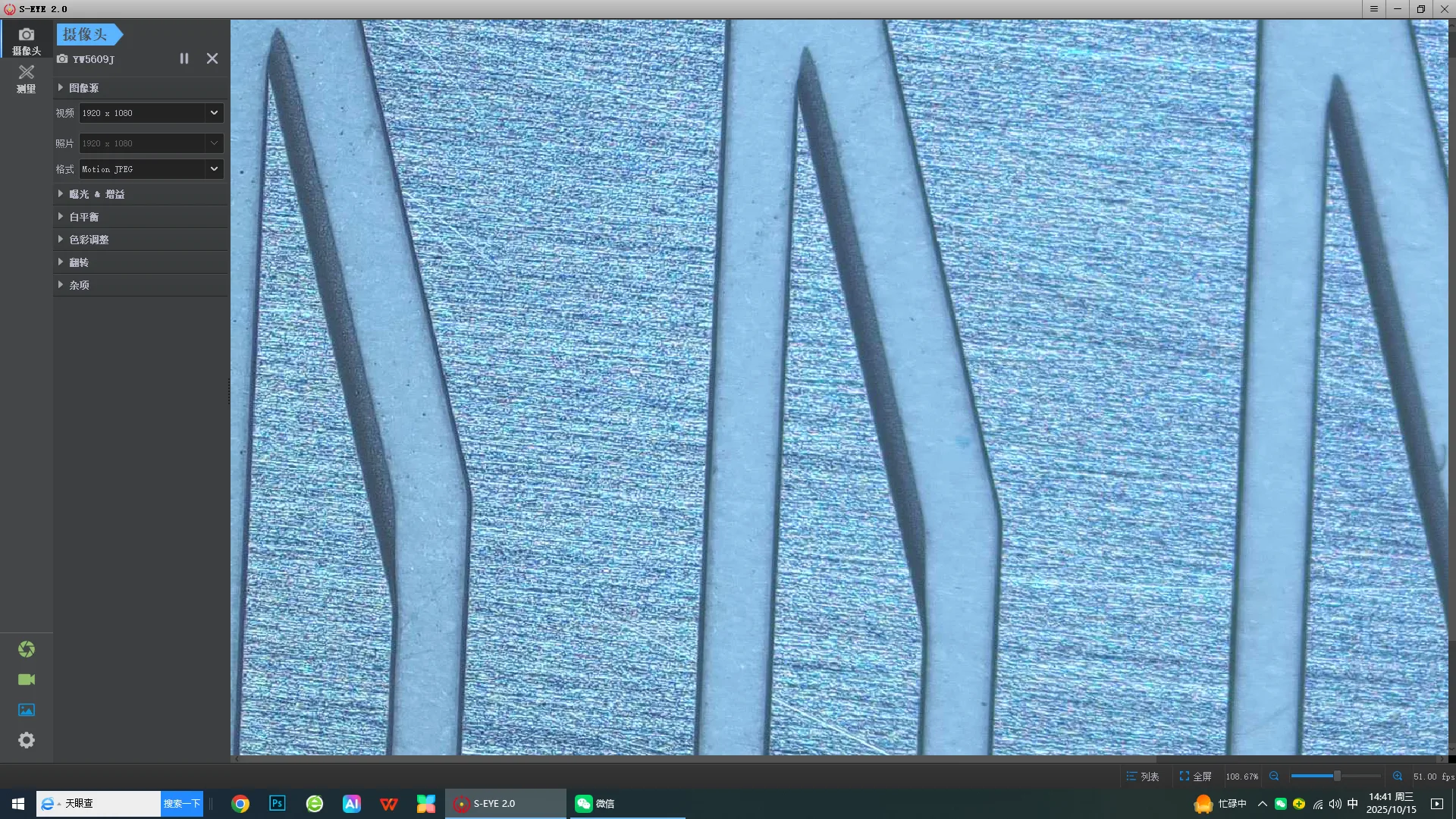
| Target applications | Surgical scalpels and blades, medical razor blades, diagnostic micro-blades, biopsy and tissue-sampling instruments, micro-needles, laboratory micro-cutting tools |
| Cleanroom compatibility | Optional class-7 cleanroom integration; chemical-resistant smooth surfaces; HEPA-compatible drying |
| Edge condition | Burr-free, stress-free, no heat-affected zone — meets surgical-grade edge requirements as-etched |
| In-house process expertise | Manufacturer is also a production etching factory — recipes proven on live production before equipment delivery |
| Optional integrated services | Custom blade manufacturing service available: photomask design, etching, cleaning, packaging |
| Compliance | ISO 13485 process-capable; CE / UL options |
What “Surgical-Grade” Means for the Equipment Design
Calling a machine “medical-grade” is meaningless without specifying what is different from a general-purpose etching line. On the Biomedical Blade Etching Machine, three things are tightened:
- Temperature control ±0.5 °C (vs. ±1.5 °C on a general line) — because surgical edge sharpness uniformity depends on the etch rate being constant within a single panel.
- Wetted parts polished and crevice-free — no biofilm-prone seams in the bath path.
- Filtered, deionized rinse water with conductivity logging — final rinse residue is a regulated parameter on medical device parts.
- Class-7 cleanroom integration option — so the equipment fits directly into an existing medical device cleanroom floor plan.
Request Quote / Layout Drawing Browse Process Library Search Parameter Database
Related Recipes & Process Parameters
Every formula and parameter row below is a live page on this site with the full chemistry, conveyor speed, and tolerance window for the exact material-thickness-etchant combination. These are the references our process engineers cite from on production shifts.
Related Material References
Related Production Applications
Related Process Equipment
Frequently Asked Questions
What is the typical footprint?
Footprint ranges from a single-bench all-in-one unit up to 12 – 25 m floor length for a full production line. Layout drawings are part of the proposal package.
What is the typical lead time from order?
Production lead time is typically 8 – 14 weeks depending on configuration. Plug-and-play bench units are usually available faster.
Can the machine be retrofitted later?
Yes — wetted-parts upgrades (e.g. FeCl₃ → HF-compatible) and additional stages are planned-shutdown retrofits.
Is the machine customized to my production line?
Yes. Every system is built around your panel size, throughput target, available utilities, and downstream process integration — not sold as a fixed SKU.
Frequently Asked Questions
Can the Biomedical blade etching machine manufacturing equipment be customised for our process?
What level of automation does the Biomedical blade etching machine manufacturing equipment offer?
What facility connections does the Biomedical blade etching machine manufacturing equipment need?
What workpiece sizes does the Biomedical blade etching machine manufacturing equipment handle?
Sources & References
- ASTM E407: Standard Practice for Microetching Metals and Alloys
- IPC-A-600: Acceptability of Printed Boards
- Photo Chemical Machining Institute — process capability guidelines
- NIST Engineering Statistics Handbook — process tolerance and capability
Standards are referenced for context. Always confirm parameters against the current published edition and your own process validation.